As we navigate the increasingly complex currents of the digital age, understanding the mechanics of how our personal data is collected and utilized by tech giants like Google, Facebook, and Apple is no longer a niche concern for privacy advocates; it has become a fundamental literacy for every internet user. The "secret button" we've explored throughout this discussion isn't a singular, magical switch, but rather a comprehensive framework of awareness, intentional action, and continuous vigilance. It's about recognizing that our digital lives are not passive experiences but active engagements where every interaction, every setting, and every choice has implications for our privacy and autonomy. The power to influence this dynamic truly rests with us, the users, provided we are equipped with the knowledge and the tools to assert our digital rights. This final section will consolidate these insights, offering a cohesive strategy for maintaining digital sovereignty and emphasizing that taking control is an ongoing journey, not a destination.
The journey towards reclaiming your digital privacy is deeply personal and will vary for everyone based on their comfort level, technical proficiency, and reliance on certain services. Some might choose to aggressively lock down every possible setting, even if it means sacrificing some convenience, while others might opt for a more balanced approach. The key is to make these choices consciously, rather than passively accepting the defaults set by companies whose primary interest is often data monetization. It's about empowering yourself with the agency to decide what aspects of your digital self you are willing to share, and with whom. This shift from passive consumption to active management is the most profound "secret button" of all, transforming you from a data point into a discerning digital citizen. It’s a commitment to understanding the fine print, to questioning the defaults, and to consistently advocating for your own digital well-being in a landscape that often prioritizes profit over personal space.
Embracing Privacy-First Browsing and Search
The browser you use is your primary gateway to the internet, and choosing the right one can dramatically impact your privacy. Moving away from Google Chrome is one of the most impactful steps you can take. Chrome, being a Google product, is inherently designed to integrate with Google's ecosystem and facilitate data collection. Instead, consider adopting browsers that prioritize privacy by design. Firefox, for instance, offers robust "Enhanced Tracking Protection" that blocks a wide range of third-party trackers, cookies, cryptominers, and fingerprinters by default. You can customize these protections to be even stricter, essentially creating a fortified browsing experience. Brave is another excellent option, built on the Chromium engine but stripped of Google's tracking components, and it comes with a built-in ad and tracker blocker that works exceptionally well out of the box. These browsers empower you to browse the web with significantly less surveillance, reducing the amount of data fed to advertising networks and data brokers.
Complementing a privacy-focused browser with a privacy-respecting search engine is equally vital. Google Search, while powerful, is the engine of Google's data collection, meticulously logging your queries, IP address, and browser information to build a comprehensive profile. Switching to an alternative like DuckDuckGo means your searches are not tracked, stored, or tied to your identity. DuckDuckGo also prevents search leakage, meaning when you click on a search result, the website you visit doesn't know what you searched for. Brave Search, an emerging contender, offers similar privacy benefits and is building its own independent index, reducing reliance on other search providers. Making this switch might feel minor, but it’s a foundational step that cuts off a primary data stream to Google, forcing them to work harder to understand your interests. It’s a simple yet profound way to regain control over one of your most frequent online activities, ensuring your quest for knowledge remains private and untainted by commercial profiling.
Furthermore, don't underestimate the power of browser extensions. Even if you stick with Chrome for specific reasons, installing privacy-enhancing extensions can make a significant difference. Tools like uBlock Origin block ads and trackers across almost all websites, preventing many data collection scripts from even loading. Privacy Badger, developed by the Electronic Frontier Foundation (EFF), learns to block invisible trackers as you browse. The EFF's HTTPS Everywhere ensures that your browser always connects to websites using the more secure HTTPS protocol when available, encrypting your communication. For Firefox users, the "Facebook Container" extension isolates Facebook and Instagram activity into a separate container, preventing them from tracking you across other websites. These extensions act as vigilant digital bodyguards, constantly monitoring and blocking attempts to collect your data, transforming your browsing experience from a passive data harvest into a more fortified and private interaction with the web. Regularly auditing and updating these extensions is also a good practice to ensure they remain effective against evolving tracking techniques.
Strengthening Your Device and Network Defenses
Your smartphone is arguably the most personal device you own, a powerful tracking beacon if not properly configured. Beyond the specific app permissions we discussed earlier, taking broader steps to secure your device is paramount. Regularly update your operating system (iOS or Android) and all your apps. Updates often include critical security patches that close vulnerabilities attackers could exploit to gain access to your data. Think of it as regularly locking your digital doors and windows. Furthermore, consider encrypting your device if it's not already, which is standard on newer smartphones but worth double-checking. This protects your data if your phone is lost or stolen, making it much harder for unauthorized individuals to access your personal information, even if they bypass your lock screen. A strong, unique passcode or biometric authentication (fingerprint, face ID) is your first line of defense against physical access to your data.
Your home network is another critical point of vulnerability. Ensure your Wi-Fi router uses strong encryption (WPA2 or WPA3) and has a unique, complex password, not the default one. Change the default administrator password for your router as well. Consider enabling a guest Wi-Fi network for visitors, keeping your main network separate and more secure. For advanced users, configuring your router to use privacy-focused DNS servers (like Cloudflare's 1.1.1.1 or Quad9) instead of your ISP's default can prevent your ISP from logging your DNS queries, which reveal every website you visit. While not a complete privacy solution, it adds another layer of protection against network-level surveillance. Remember that your ISP can see all your unencrypted internet traffic, so a VPN, as previously mentioned, becomes even more crucial when connected to any network, be it public Wi-Fi or your home connection.
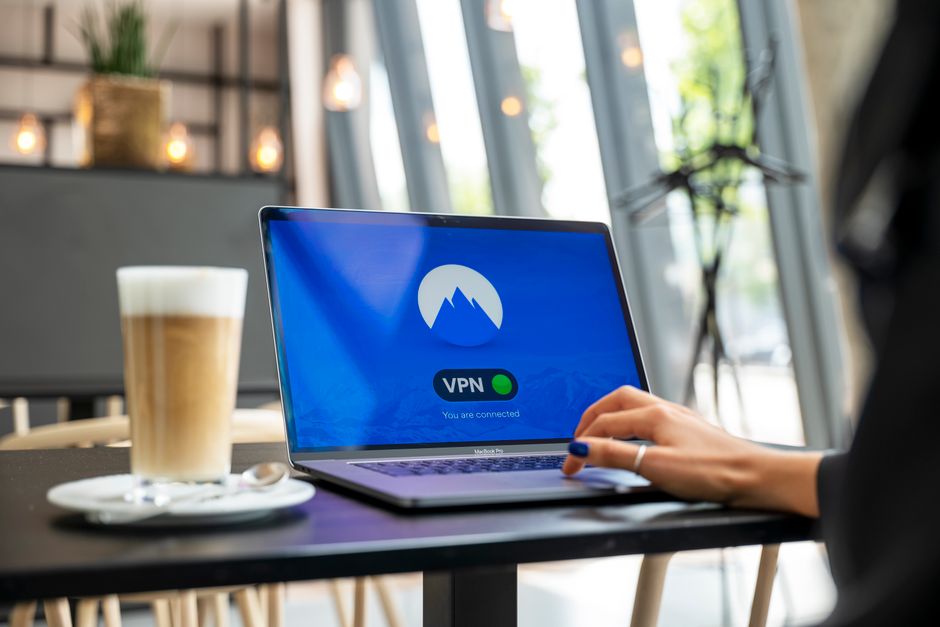
The use of a reputable Virtual Private Network (VPN) is not just a recommendation; it’s an essential tool for anyone serious about digital privacy in today's landscape. A VPN encrypts your entire internet connection, creating a secure tunnel between your device and the internet. This prevents your ISP, hackers on public Wi-Fi, and even government agencies from snooping on your online activities. By masking your real IP address and routing your traffic through a server in another location, a VPN makes it significantly harder for websites and advertisers to track your physical location and correlate your browsing habits. When choosing a VPN, prioritize providers with a strict no-logs policy, meaning they don't record your online activities. Look for independent audits of their security and privacy practices, and avoid free VPNs, which often compromise your privacy by selling your data or injecting ads. A high-quality, paid VPN is an investment in your digital security and privacy, offering a robust shield against the pervasive tracking mechanisms that permeate the internet.
Cultivating a Mindset of Deliberate Digital Engagement
Ultimately, the most powerful "secret button" is a shift in your personal mindset towards deliberate digital engagement. It means moving away from passive acceptance of defaults and towards active, informed decision-making about your online interactions. This involves a continuous process of education and adaptation. Stay informed about new privacy threats and new tools designed to combat them. Follow reputable cybersecurity news sources and privacy advocates. The landscape of online tracking is constantly evolving, and what worked last year might not be sufficient today. This isn't about paranoia, but about empowerment—understanding the rules of the game so you can play it on your own terms, rather than being played by it.
Practice "digital minimalism" where appropriate. Do you truly need every social media account? Every newsletter subscription? Every app on your phone? Each service you sign up for, each app you install, is another potential vector for data collection. Regularly audit your online presence, deleting old accounts you no longer use and uninstalling unnecessary apps. This not only reduces your digital footprint but can also reduce digital clutter and distractions, leading to a more focused and intentional online experience. Consider using "burner" email addresses for services you don't fully trust or for one-off sign-ups, keeping your primary email address reserved for important communications. This compartmentalization helps to limit the spread of your personal information across disparate services, making it harder for data brokers to piece together a comprehensive profile of you.
Finally, remember that privacy is a spectrum, not an absolute. You don't have to become a ghost in the machine overnight. Every step you take, no matter how small, contributes to a more private and secure digital life. Whether it's changing one important setting, installing a browser extension, or simply being more mindful of what you click and share, each action is a victory in the ongoing battle for digital sovereignty. The "secret button" is not a single, magical solution, but a continuous journey of informed choices and proactive measures. By embracing this journey, you not only protect yourself but also contribute to a broader movement towards a more private, ethical, and user-centric internet, where convenience doesn't automatically equate to the surrender of your most personal information. Your digital future is, in large part, in your hands, waiting for you to press those buttons with purpose and conviction.