The modern smartphone, while a marvel of connectivity, is also a central nervous system for a burgeoning ecosystem of smart devices that permeate our homes and daily lives. This interconnected web, often marketed under the umbrella of the "Internet of Things" (IoT), introduces entirely new vectors for surveillance, turning our personal spaces into data-rich environments. At the heart of this system, often acting as the command center and data aggregator, is your smartphone, making it an even more potent tool for pervasive monitoring.
The Eavesdropping Ecosystem Voice Assistants and Smart Home Devices
Perhaps no category of smart device epitomizes the "convenience versus privacy" dilemma more acutely than voice assistants. Siri, Google Assistant, Amazon Alexa, and others have become ubiquitous, offering hands-free control over our devices, instant access to information, and seamless integration into smart homes. However, the fundamental mechanism that allows these assistants to respond to our commands is an "always-on" microphone, constantly listening for a wake word. While companies assure us that audio is only processed and sent to the cloud after the wake word is detected, the reality is far more complex and, at times, unsettling.
The very design of these systems necessitates a continuous state of listening, even if it's just locally processing audio to detect the wake word. The potential for "false positives," where the device mistakenly interprets background noise as a command, means that snippets of private conversations can inadvertently be recorded and transmitted to cloud servers. Moreover, to improve the accuracy of these systems, human reviewers are often employed to listen to and transcribe anonymized (or sometimes not-so-anonymized) audio recordings. We've seen numerous reports detailing how contractors for Amazon, Google, and Apple have listened to thousands of private recordings, sometimes capturing highly sensitive or personal moments. While companies have adjusted policies in response to public outcry, the underlying architecture remains the same: a device in your home, designed to listen to you.
Your Voice, Their Data How Assistants Learn from You
Beyond the accidental capture of private conversations, the explicit purpose of voice assistants is to collect and analyze your voice commands, queries, and preferences. Every question you ask, every song you request, every smart home device you control, and every shopping list you dictate contributes to a rich profile of your habits, interests, and even your mood. This data is used to personalize your experience, make recommendations, and improve the assistant's understanding of natural language. However, it also becomes another incredibly valuable data stream for the tech giants behind these devices.
This profile, often linked to your broader digital identity, can then be used for targeted advertising or aggregated for market research. For example, if you frequently ask your Google Assistant about specific health conditions, that information could potentially be used to infer your health status and serve you related ads. If you frequently order groceries through Alexa, Amazon gains an unparalleled insight into your consumption patterns. The convenience of simply speaking your desires into the air comes at the cost of providing a continuous, intimate data feed about your life directly to some of the world's largest data collectors. The microphone in your smartphone, constantly connected to these cloud-based assistants, becomes the primary conduit for this vocal data harvest, turning your words into valuable commodities.
"We are witnessing the rise of a surveillance society, where our every move, every purchase, every conversation is being tracked and analyzed." - Shoshana Zuboff, The Age of Surveillance Capitalism
The integration of voice assistants into our smartphones also means that the boundaries between our personal devices and our smart homes blur. Your phone often serves as the primary setup and control interface for smart speakers and other IoT devices. This deep integration means that the data collected by your smart speaker, for instance, can be linked back to your smartphone's profile, creating an even more comprehensive and interconnected web of surveillance. The convenience of controlling your entire home with your voice, initiated from your phone, seamlessly feeds into a larger data collection apparatus that extends far beyond the confines of a single device.
Smart Home, Smart Spy The IoT's Data Footprint
The smartphone's role as the central hub for the Internet of Things amplifies its surveillance capabilities exponentially. From smart thermostats and lighting systems to security cameras, doorbells, and even smart refrigerators, each connected device in your home is designed to collect data about its environment and your interactions with it. Your smartphone, through companion apps, becomes the gateway to managing these devices, but also inadvertently becomes the aggregator of all the data they collect.
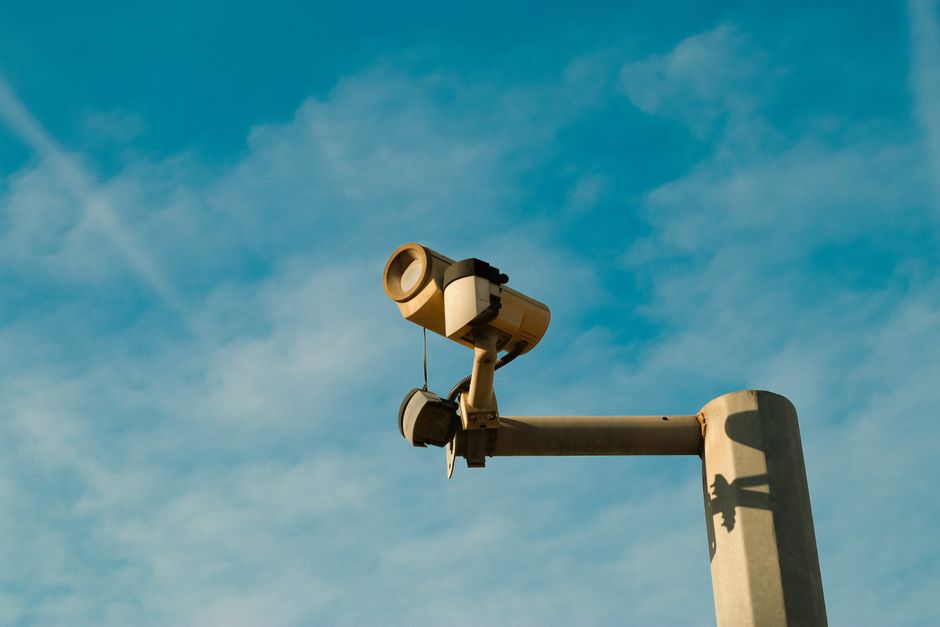
Consider a smart security camera connected to your smartphone. While its primary purpose is to provide security, it's also constantly recording video and audio, often uploading it to cloud servers. If that camera is compromised, or if the company providing the cloud service has weak security, that highly sensitive footage of your home and family could be exposed. Similarly, smart thermostats track your presence and temperature preferences, smart lights track your routines, and smart doorbells record every visitor. All this data, managed and often viewed through your smartphone, creates an incredibly detailed picture of your home life, your habits, and your schedule.
The inherent insecurity of many IoT devices further exacerbates the problem. Many smart gadgets are rushed to market with inadequate security features, making them vulnerable to hacking. A compromised smart device can become a backdoor into your home network, allowing attackers to access other devices, including your smartphone, or to use the device itself as a listening or viewing post. For example, there have been numerous reports of smart cameras being hacked, allowing strangers to remotely view and even speak through devices in people's homes. Your smartphone, by facilitating the setup and management of these potentially vulnerable devices, inadvertently expands the attack surface for your personal data and privacy.
The allure of the smart home is undeniable – convenience, energy efficiency, and enhanced security. However, the trade-off is a significant increase in the number of sensors collecting data within your most private spaces, all often orchestrated and accessible through your smartphone. The interconnectedness means that a vulnerability in one device can potentially expose data across the entire ecosystem, including the highly sensitive information residing on your phone. Understanding this symbiotic relationship between your smartphone and your smart home is crucial for grasping the full extent of the pervasive, always-on surveillance that now defines our modern living environments.