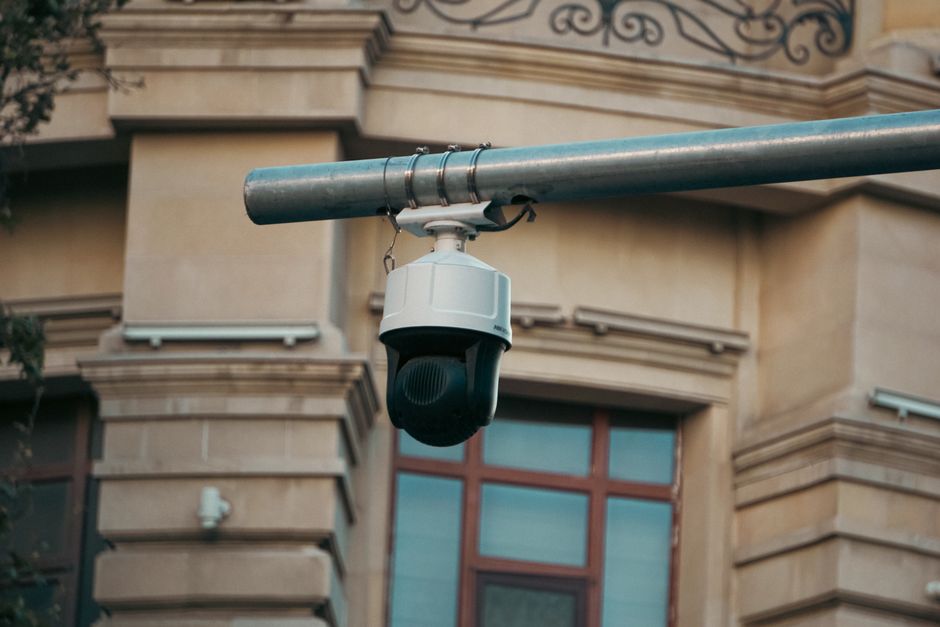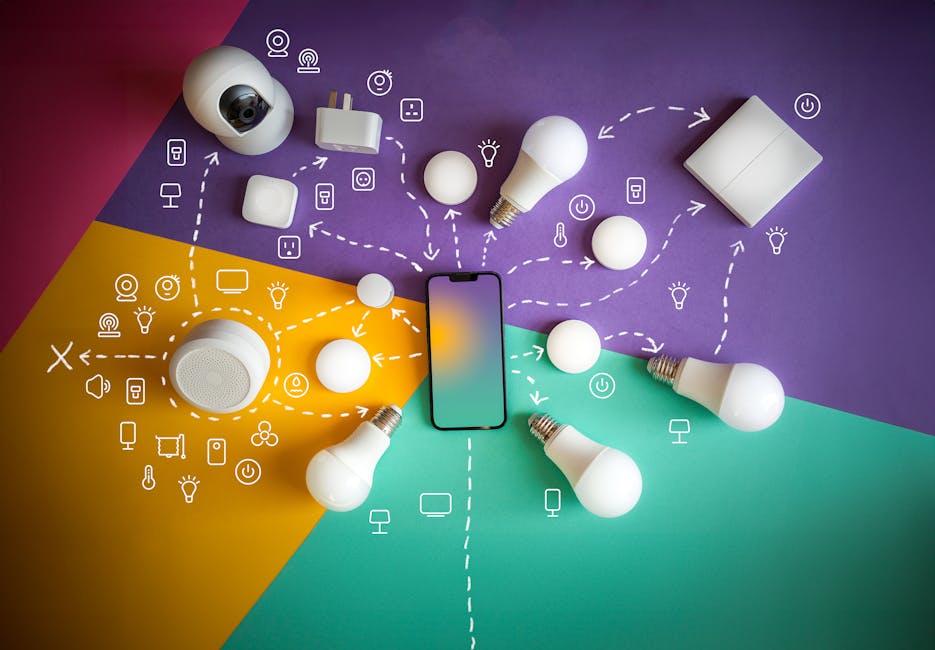
There's a subtle hum in your home, a quiet network of unseen ears and eyes, constantly awake, perpetually observing. You bought these devices for convenience, for a touch of futuristic ease, perhaps even for security, but have you ever paused to consider what else they might be doing? As you sip your morning coffee, a smart speaker might be cataloging your preferences for news or music, not just to personalize your experience but to build a rich profile of your daily habits. When you settle in for an evening of streaming, your smart TV isn't just displaying a picture; it could be tracking every show you watch, every ad you skip, and even the other devices connected to your home network. It’s a silent symphony of data collection, orchestrated by the very gadgets designed to simplify your life, turning your personal space into an unwitting broadcast station for your most private moments.
This isn't the stuff of dystopian science fiction anymore; it's the everyday reality of living in a connected world. The Internet of Things (IoT) has woven itself into the fabric of our homes, transforming ordinary appliances into 'smart' entities capable of communication, analysis, and, crucially, data transmission. From thermostats that learn your schedule to doorbells that record every visitor, these devices are collecting an astonishing amount of information about you, your family, and your lifestyle. The promise of unparalleled convenience often overshadows the implicit agreement we make to surrender snippets of our digital and even physical selves. We're trading a few taps on a screen for a continuous stream of personal data flowing from our living rooms, kitchens, and even bedrooms, often without a full understanding of where that data goes or how it's ultimately used. The sheer volume and intimacy of this data make it a goldmine for advertisers, tech companies, and, unfortunately, less scrupulous actors.
The Invisible Hand of Data Harvesting in Your Home
The proliferation of smart devices has been nothing short of explosive, moving from niche luxury items to mainstream essentials in a remarkably short span. This rapid adoption, however, has outpaced public awareness and regulatory oversight regarding the privacy implications. We've been conditioned to accept "free" services in exchange for our data online, but this paradigm has now extended into our physical environments, creating a new frontier for privacy concerns. Every command given to a voice assistant, every adjustment made to a smart light, every movement detected by a camera—each interaction generates a data point, a tiny digital breadcrumb leading back to you. These individual crumbs, when aggregated, paint an incredibly detailed portrait of your daily routines, your preferences, your health habits, and even the nuances of your household's dynamics. It's a level of surveillance that would have been unimaginable just a decade ago, now seamlessly integrated into the very architecture of our homes.
The underlying business model for many of these "smart" gadgets relies heavily on this data. Manufacturers often sell devices at a razor-thin margin, or even at a loss, knowing that the real profit lies in the continuous stream of user data they can collect, analyze, and monetize. This data can be anonymized and sold to third-party advertisers, used to train AI algorithms, or even shared with partners for "service improvement." While companies often claim these practices are benign and designed to enhance user experience, the lack of transparency surrounding data flows and retention policies is deeply troubling. We rarely get a clear, concise explanation of who has access to our data, for how long it's stored, or under what circumstances it might be shared with government agencies or other entities. This ambiguity leaves a gaping hole in our understanding of our own digital footprints, eroding trust and fostering a sense of unease about the digital ecosystem we've invited into our most sacred spaces.
Consider the sheer audacity of some of these data collection practices. A smart TV might not just track what you watch, but also use automatic content recognition (ACR) to identify everything playing on your screen, including broadcast TV, gaming console activity, and even DVDs. This data, often combined with your IP address and other identifiers, can be incredibly precise in profiling your interests. Similarly, a smart speaker, designed to respond to a "wake word," is nonetheless constantly listening, processing ambient audio to detect that specific phrase. While companies assure us that only audio *after* the wake word is transmitted to the cloud, the very act of constant listening raises legitimate questions about potential vulnerabilities, accidental recordings, or even deliberate misuse. The convenience these devices offer is undeniable, yet the price of that convenience, often paid in the currency of personal data, is rarely fully disclosed or understood at the point of purchase.
The Murmurs of a Data-Driven World
The implications of this pervasive data collection extend far beyond targeted advertisements, although that's certainly a significant component. We're talking about the potential for insurance companies to adjust premiums based on lifestyle data gleaned from smart home devices, or for law enforcement to access recordings from smart doorbells without a warrant in certain situations. The digital trails left by our smart devices can be used to infer incredibly personal details, such as our sleep patterns, our dietary habits, our social interactions, and even our health conditions. This mosaic of data, once assembled, forms a comprehensive digital identity that is not fully under our control. The more data points that exist about us, the more vulnerable we become to data breaches, identity theft, and algorithmic biases that can impact everything from credit scores to job applications. The murmurs of data harvesting are growing louder, and it's imperative that we, as consumers, become more attuned to their message and understand the tools at our disposal to silence them.
The challenge lies in the inherent asymmetry of information and power. Tech companies possess vast resources and expertise in data science and network architecture, while the average consumer is left navigating complex privacy policies written in legalese and buried deep within app settings. This imbalance makes informed consent a difficult proposition. Many users simply click "agree" to terms and conditions without fully comprehending the scope of data collection they are consenting to. Furthermore, the interconnected nature of the IoT means that a vulnerability in one device or platform can potentially expose data collected by others. The digital perimeter of our homes is constantly expanding, and with each new smart gadget we introduce, we add another potential entry point for surveillance or compromise. It’s a delicate balance between embracing innovation and safeguarding our fundamental right to privacy, a balance that increasingly tilts towards the former if we don't actively push back.
My own experiences, both professional and personal, have repeatedly highlighted this tension. I’ve spent over a decade dissecting the intricate webs of cybersecurity and online privacy, and even I find myself constantly re-evaluating the smart devices in my own home. I once had a smart vacuum cleaner that, unbeknownst to me, was mapping the entire layout of my apartment and uploading that data to the cloud. While the company stated it was for "improved cleaning efficiency," the thought of my home's blueprint existing on a remote server, potentially accessible to others, was unsettling. This particular incident spurred me to dig deeper into the privacy settings of all my devices, a journey that proved to be far more complex and time-consuming than it should have been. It underscored a crucial point: the burden of privacy protection often falls squarely on the shoulders of the consumer, who is ill-equipped to handle the sophisticated data collection mechanisms embedded in modern technology. This article aims to arm you with the knowledge and practical steps to reclaim some of that control, transforming you from a passive data subject into an active guardian of your digital domain.