Understanding and Limiting Location Tracking The Digital Leash
In our increasingly interconnected world, our physical location has become one of the most valuable and frequently collected pieces of personal data. Our smartphones, smartwatches, and even our vehicles are constantly broadcasting our whereabouts, often with our unwitting consent. This isn't just about GPS; it encompasses a complex web of technologies including Wi-Fi triangulation, cellular tower data, IP address geolocation, and even Bluetooth beacons. While location data can power convenient services like navigation apps or local weather forecasts, it also presents a profound privacy risk. This continuous stream of location information can be aggregated, analyzed, and used to infer highly sensitive details about our lives: where we live, where we work, our daily routines, our social circles, our health appointments, and even our political activities. It's a digital leash, silently tracking our every move, often without a clear understanding of who has access to this data or how it's being used. To truly bulletproof your online life, you must actively understand and aggressively limit this pervasive location tracking, transforming your devices from silent spies into privacy-respecting tools.
The sheer scale of location data collection is staggering. A report by the New York Times revealed how companies collect precise, minute-by-minute movements of millions of Americans, often selling this data to advertisers, hedge funds, and even government contractors. This isn't just a theoretical concern; it has real-world implications, from targeted advertising based on your physical presence in a store, to more sinister uses like tracking journalists, activists, or even domestic abuse victims. The problem is exacerbated by the fact that many apps, even those seemingly unrelated to location, demand access to this sensitive data as a condition of use. We've become accustomed to granting these permissions without a second thought, trading convenience for a fundamental erosion of our privacy. It’s a subtle but powerful form of surveillance, turning our most personal movements into marketable data points. Reclaiming control over your location data is a critical step in asserting your digital autonomy and preventing your physical presence from becoming a commodity.
Auditing Your Digital Footprints Identifying the Leaks
The first step in limiting location tracking is to identify all the sources that are collecting your location data. Start with your smartphone, the primary culprit. Both iOS and Android operating systems offer granular control over location services, but these settings are often buried deep within menus. Go into your phone's privacy settings and review which apps have access to your location, and more importantly, what *kind* of access they have. Many apps request "Always" access, meaning they can track your location in the background even when you're not actively using them. For the vast majority of apps, "While Using the App" access is sufficient, and for many, no location access is needed at all. Ask yourself: does this flashlight app really need to know where I am? Does this game truly require constant GPS data? Be ruthless in revoking unnecessary permissions. This immediate action can significantly reduce the passive collection of your whereabouts, cutting off a major data pipeline for countless apps and services.
Beyond app permissions, consider your device's system services. Both Apple and Google collect location data for various purposes, from improving maps to targeted advertising. While you might not be able to completely disable all system location services without impacting core functionality, you can often limit them. For example, on iOS, you can disable "Significant Locations" or "Location-Based Alerts." On Android, you can turn off "Google Location History." These settings directly impact how much historical location data is stored by the device manufacturer and subsequently used or shared. Furthermore, review your Wi-Fi and Bluetooth settings. Many devices constantly scan for nearby Wi-Fi networks and Bluetooth beacons, even when not actively connected, and this information can be used for precise indoor tracking by retailers and other entities. Consider turning off Wi-Fi and Bluetooth when not in use, or at least disabling the automatic scanning features that passively broadcast your presence.
The IP Address Conundrum Your Digital Home Address
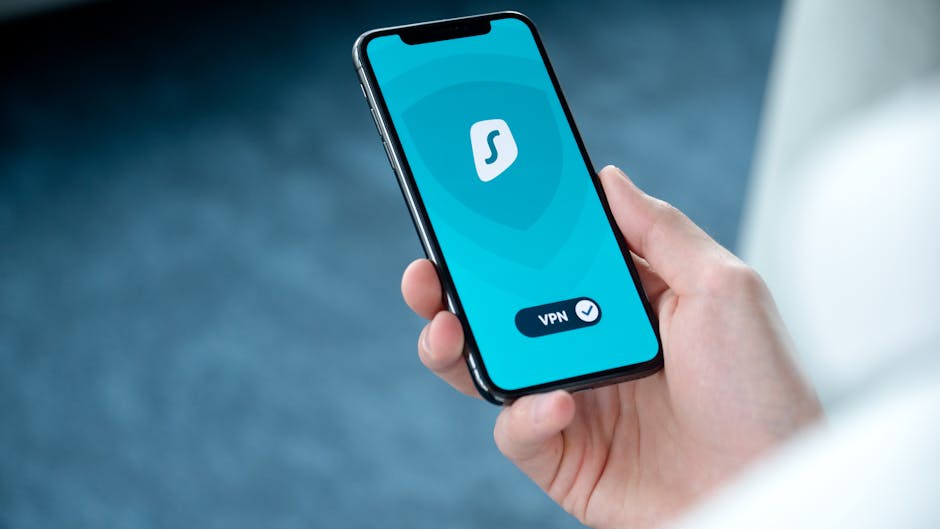
While GPS and Wi-Fi triangulation pinpoint your precise physical location, your IP address provides a broader, but still highly revealing, geographical location. Every device connected to the internet has an IP address, which essentially acts as its digital home address. Websites, online services, and advertisers can use your IP address to determine your city, state, and even your approximate neighborhood. This data is routinely collected and used for geo-targeting content, advertising, and even for security purposes. This is precisely where a Virtual Private Network (VPN) becomes indispensable. By routing your internet traffic through an encrypted server in a different location, a VPN effectively masks your real IP address, replacing it with the IP address of the VPN server. This makes it appear as if you are browsing from the VPN server's location, making it significantly harder for websites and online services to pinpoint your true geographical position.
However, it's crucial to remember that a VPN only masks your IP address for your internet traffic. It does not disable your phone's GPS or prevent apps from accessing your device's internal location services. Therefore, a multi-layered approach is essential. Use a VPN to obscure your IP-based location, and simultaneously manage app permissions and device settings to restrict GPS and Wi-Fi-based tracking. Think of it as wearing a disguise (VPN for IP) while also being mindful of what you're physically doing (app permissions for GPS). Furthermore, be aware of Wi-Fi hotspots that require you to log in with personal information. These often track your device's MAC address and can link your physical presence to your digital identity. It's often safer to use your phone's cellular data with a VPN enabled than to connect to an untrusted public Wi-Fi network that demands extensive personal data for access. The goal is to make it as difficult as possible for any single entity to compile a complete picture of your physical movements and digital presence.
A 2021 study by researchers at the University of Edinburgh found that Android apps transmit location data to third parties, on average, every 4.4 minutes. This constant leakage underscores the need for aggressive management of app permissions and device settings to protect your whereabouts.
Finally, adopt a mindful approach to location sharing in social contexts. Geo-tagging photos on social media, checking into locations, or sharing your live location with friends, while convenient, can inadvertently expose your routines and whereabouts to a wider audience than intended. Be selective about when and with whom you share this information. Consider the privacy implications before tagging a location in a public post. For sensitive situations, like meeting new people or attending protests, consider leaving your phone at home or in airplane mode to completely sever location tracking capabilities. Limiting location tracking isn't about becoming a digital hermit; it's about making conscious, informed decisions about when and how your physical presence is recorded and shared. By aggressively managing app permissions, configuring device settings, and leveraging the power of a VPN, you can significantly reduce your digital leash, reclaiming a crucial aspect of your personal privacy and ensuring that your movements remain your own, rather than a commodity for sale to the highest bidder.