Orchestrating Your Home's Symphony Unlocking True Automation Magic
Once you’ve laid down the solid foundations of a reliable network and chosen your preferred smart assistant ecosystem, the real fun begins: orchestrating your home’s symphony through routines and automations. This is where your smart home truly transcends being a collection of disparate gadgets and transforms into a cohesive, intelligent environment that anticipates your needs. Simply turning a light on with your voice is a neat trick, but having those lights automatically adjust based on the time of day, your presence, or even external weather conditions – that's genuine magic. This level of automation isn't about being lazy; it's about reclaiming mental space, ensuring energy efficiency, and enhancing your overall quality of life by making your home proactively work for you. It’s the difference between merely owning a car and having a personal chauffeur who knows your every destination and preference.
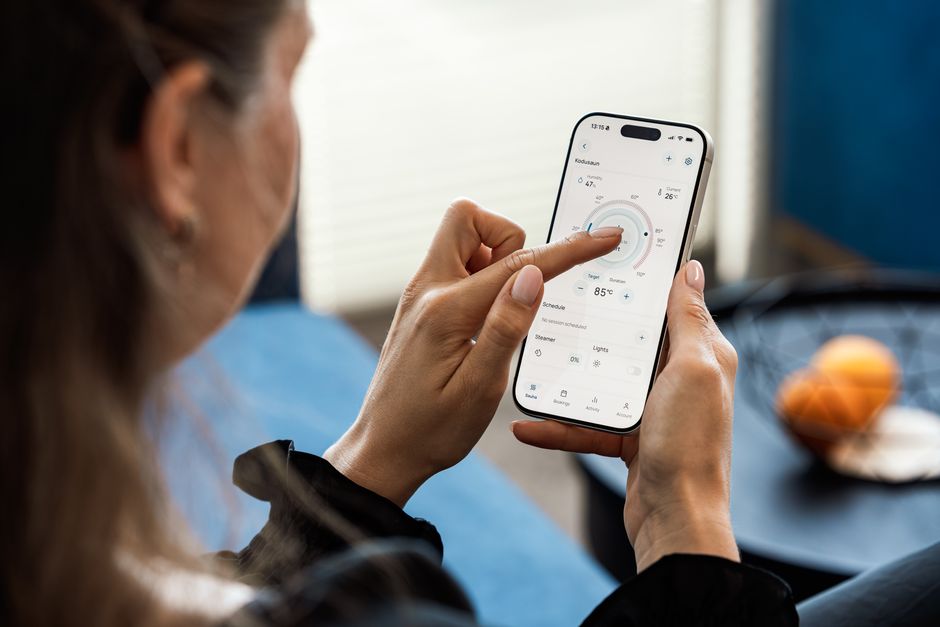
The heart of advanced smart home functionality lies in the concept of "if this, then that" (IFTTT) logic, often expressed through routines, scenes, or automations within your chosen smart assistant's app. These are simple rules that trigger an action (the "that") when a specific condition (the "if this") is met. For example, "If my phone leaves the geofence around my house, then turn off all lights and lock the front door." Or, "If the sun sets, then turn on the porch light." The possibilities are virtually endless, limited only by your imagination and the compatibility of your devices. Many smart home apps, like Amazon Alexa, Google Home, and Apple Home, offer intuitive interfaces for building these routines, often with pre-set templates to get you started. Don't be afraid to experiment; start with simple, single-action routines and gradually build up to more complex, multi-device sequences. You'll be amazed at how quickly you can create powerful, personalized automations that streamline your daily life, making your home feel incredibly responsive and intelligent.
Beyond the native app capabilities, services like the original IFTTT (If This Then That) platform offer an even broader scope for cross-platform automation. IFTTT acts as a bridge between hundreds of different web services and smart devices that might not natively communicate with each other. This is particularly useful for integrating niche devices or linking your smart home to external data sources. For instance, you could create an IFTTT applet that flashes your smart lights red if your favorite sports team scores, or have your smart blinds close automatically if the weather forecast predicts intense sunlight. While many core automations can be handled within your smart assistant's app, IFTTT provides an extra layer of customization and interoperability, allowing you to truly push the boundaries of what's possible with your connected home. It's a testament to the open nature of the smart home ecosystem, constantly evolving to offer more integrated and intelligent experiences, allowing you to craft a home that truly understands and responds to your unique needs and desires.
Mastering the Art of Voice Control Speaking to Your Home
For many, the initial allure of a smart home is the sheer coolness factor of talking to your house and having it respond. Voice control has moved far beyond a novelty; it's now a fundamental, often primary, interface for interacting with your smart home. Devices like Amazon Echo, Google Nest Hub, and Apple HomePod Mini have become ubiquitous, acting as the auditory nerve centers of our automated abodes. Mastering voice control isn't just about yelling commands across the room; it's about understanding the nuances of your chosen assistant, learning specific phrases, and leveraging its capabilities to create a truly hands-free, intuitive experience. Once you get the hang of it, you'll find yourself reaching for your phone far less often, enjoying a more natural and immediate interaction with your environment, transforming everyday tasks into effortless voice commands, making your home feel truly alive and responsive to your presence.
Each smart assistant has its own set of "wake words" and preferred phrasing. While they've all become remarkably good at understanding natural language, a little familiarity with their syntax goes a long way in preventing frustration. For Alexa, it's often "Alexa, turn on the living room lights." For Google Assistant, "Hey Google, set the thermostat to 72 degrees." And for Siri on HomeKit, "Hey Siri, lock the front door." Beyond simple commands, you can group devices into rooms or zones, allowing you to say things like "Alexa, turn off everything downstairs" or "Hey Google, dim the bedroom lights to 50%." These broader commands are incredibly powerful for managing multiple devices simultaneously, especially when you're rushing out the door or settling down for the night. Spending a little time exploring the specific commands and capabilities within your chosen assistant's app will unlock a wealth of shortcuts and efficiencies, making your voice truly the command center of your smart domain.
One of the most powerful aspects of voice control is its integration with routines and scenes. Instead of saying multiple commands, you can trigger an entire sequence of actions with a single phrase. For example, a "Good Morning" routine might turn on your bedroom lights, start the coffee maker (via a smart plug), and play your favorite news podcast, all with a simple "Alexa, good morning" or "Hey Google, start my day." Similarly, a "Movie Night" scene could dim the living room lights, close the smart blinds, and turn on your entertainment system, all activated by a single verbal cue. This level of orchestration through voice elevates the smart home experience from merely functional to truly magical, making complex sequences feel effortless. It’s a testament to how far voice AI has come, allowing us to interact with our technology in a way that feels increasingly natural, almost like communicating with a genuinely intelligent and helpful presence within our homes, always ready to assist at a moment's notice.
Expanding Your Horizons Beyond the Basics
Once you've mastered the fundamentals of smart plugs, lighting, and basic routines, you'll likely find yourself eager to explore the broader capabilities of a truly integrated smart home. This is where the real fun of expansion begins, pushing the boundaries of what your automated abode can do for you. Moving beyond the entry-level devices opens up a world of advanced security, enhanced energy management, and even more sophisticated convenience features that can genuinely transform your living experience. It’s like graduating from learning basic chords on a guitar to composing your own intricate melodies; the initial lessons give you the framework, but the true artistry comes with exploration and ambition. Don't be afraid to dream big, but always maintain that modular, step-by-step approach that served you so well in the beginning, ensuring each new addition seamlessly integrates into your evolving smart ecosystem.
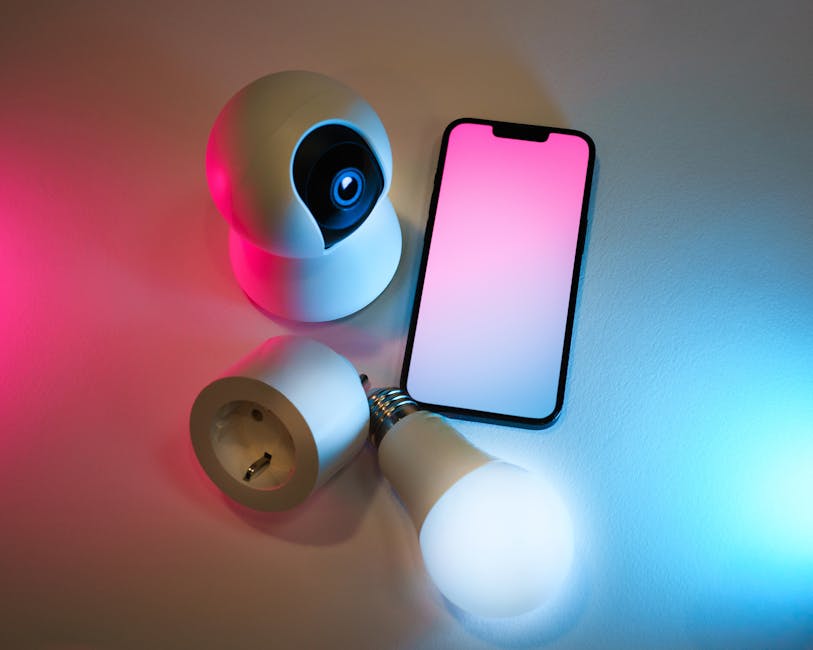
Security cameras and video doorbells are often the next logical step for many smart home enthusiasts. Devices like Ring, Arlo, and Eufy offer robust solutions for monitoring your property, receiving alerts about motion detection, and even engaging in two-way conversations with visitors at your front door, all from your smartphone. These devices provide an invaluable layer of peace of mind, allowing you to keep an eye on your home whether you’re at work, on vacation, or simply in another room. Integrating them with your smart assistant means you can often view camera feeds on a smart display with a voice command or have your smart lights flash if motion is detected, creating a more proactive security system. While privacy concerns are always paramount with surveillance devices, choosing reputable brands with strong encryption and clear data policies can mitigate many risks, ensuring your security measures don't inadvertently compromise your personal data, reinforcing the importance of diligent research and careful selection for such sensitive additions.
Smart door locks, another popular advanced addition, eliminate the need for physical keys entirely. Brands like August, Schlage, and Yale offer smart locks that can be controlled remotely, grant temporary access to guests or service providers, and automatically lock themselves when you leave. Imagine never having to worry about losing your keys again, or being able to let a friend in while you're stuck in traffic. These locks often integrate seamlessly with your smart assistant, allowing you to check their status or lock them with a voice command. Similarly, smart sprinkler systems from companies like Rachio or Rain Bird can optimize your lawn watering based on local weather forecasts, soil type, and plant needs, saving water and ensuring a healthier lawn. This level of environmental control extends beyond the walls of your home, demonstrating the comprehensive reach of smart technology in managing every aspect of your property, transforming mundane chores into intelligent, efficient processes that save both time and resources.
Finally, for those truly committed to energy efficiency, smart blinds or shades represent a sophisticated yet impactful upgrade. Devices from companies like Lutron or Serena can automatically adjust based on the time of day, sunlight intensity, or even your thermostat settings. Imagine your blinds closing themselves during the hottest part of the day to reduce solar gain, or opening in the morning to let in natural light and warmth. This not only enhances comfort but can also significantly reduce your heating and cooling costs. The integration possibilities are vast: connect them to a "Good Night" routine to close automatically, or have them open when your alarm goes off. While a more significant investment, the blend of convenience, aesthetic appeal, and long-term energy savings makes smart window treatments a compelling addition for a truly optimized and intelligent home, showcasing how smart technology can effortlessly blend into the fabric of daily life, providing comfort, efficiency, and a touch of modern luxury.
Safeguarding Your Sanctuary The Ongoing Privacy and Security Battle
As our homes become increasingly intertwined with the digital world, the conversation around privacy and security shifts from a mere recommendation to an absolute necessity. It's not enough to set up strong passwords once and forget about it; maintaining a secure smart home is an ongoing commitment, a continuous battle against evolving threats and vulnerabilities. My experience in cybersecurity has taught me that the weakest link often isn't the technology itself, but human oversight. We often prioritize convenience over caution, or simply aren't aware of the subtle ways our data can be exposed. Therefore, developing a proactive mindset towards the digital hygiene of your smart home is paramount. This means understanding not just how to protect your devices, but also how to protect the invaluable personal data they collect, ensuring that your automated haven remains a private sanctuary, not an open book for prying eyes.
Regularly updating the firmware on all your smart devices and your router is perhaps the single most critical ongoing security practice. Think of firmware as the operating system for your smart gadgets; just like your phone or computer, these systems receive updates that patch security vulnerabilities, improve performance, and add new features. Many devices offer automatic updates, which is convenient, but it's always wise to periodically check manually, especially for less prominent brands. Neglecting updates leaves your devices susceptible to known exploits that hackers are actively trying to leverage. A device with outdated firmware is like leaving a window unlocked in your house, inviting trouble. This vigilance extends to your smart home apps as well; ensure they are always updated to their latest versions, as app updates often contain crucial security fixes that protect your data and prevent unauthorized access to your smart home controls, forming a crucial layer of defense against digital intrusions.
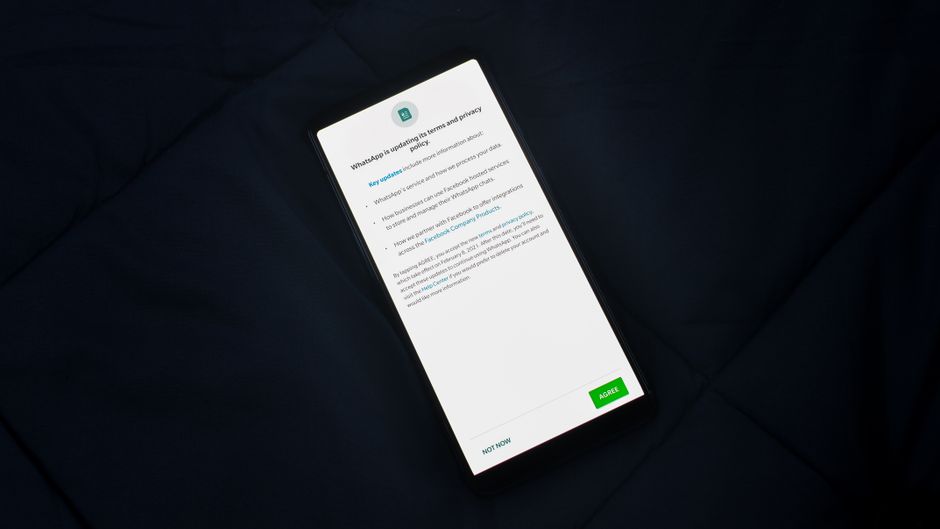
Beyond technical updates, a critical aspect of smart home privacy involves being acutely aware of the data your devices collect and how it's being used. Smart speakers listen, cameras watch, and sensors track your movements. While this data is essential for their functionality, it also holds immense personal value. Take the time to read the privacy policies of your smart device manufacturers. Understand what data they collect, how it's stored, and whether it's shared with third parties. Many smart assistants allow you to review and delete voice recordings, and it's a good practice to do so periodically. For cameras, understand where the video footage is stored (locally or in the cloud) and who has access to it. If a device's privacy policy seems vague or overly permissive, it might be a red flag. Your personal data is a valuable commodity, and you have every right to understand and control its flow, ensuring that your convenience doesn't come at the cost of your digital autonomy and personal boundaries.
Finally, consider segmenting your network, especially as your smart home grows in complexity. Setting up a separate virtual local area network (VLAN) or a dedicated guest Wi-Fi network for your smart devices can act as a crucial isolation layer. If one of your smart devices, particularly those from smaller manufacturers or those with a history of security issues, were to be compromised, this segmentation would prevent the attacker from easily jumping to your main network where your laptops, smartphones, and sensitive files reside. While this might sound a bit advanced, many modern routers offer guest network capabilities that are simple to enable and provide a basic level of isolation. This small extra step can significantly enhance your overall home network security, acting as a digital moat around your most valuable data. Remember, a truly smart home isn't just convenient; it's also secure, private, and resilient against the ever-present threats of the digital landscape, demanding a continuous and proactive approach to protection.