Your Digital Armor: Practical Steps to Embrace Encryption
You’ve journeyed through the intricate world of encryption, from its historical roots and mathematical underpinnings to its critical role in our surveillance-heavy society and the diverse tools that deploy it. Now, it’s time to move from theory to action. This isn't just an academic exercise; it's about empowering yourself with the practical knowledge and actionable steps to integrate strong encryption into your daily digital habits. Think of it as building your personal digital armor, a robust set of defenses that will protect your privacy, secure your data, and give you greater peace of mind in an increasingly complex online landscape. Embracing encryption doesn't require you to become a cybersecurity expert overnight, but it does demand a conscious effort to understand the tools available and to make informed choices. The good news is that many of these protections are easier to implement than you might think, often requiring just a few clicks or a change in habit. The time for passive acceptance of digital vulnerability is over; it's time to proactively unlock the power of encryption and become the master of your own digital destiny, moving beyond mere awareness to tangible, impactful security practices.
One of the most fundamental and impactful steps you can take is to ensure all your devices are fully encrypted at rest. For your computer, whether it's a Windows PC, a macOS machine, or a Linux workstation, enable full disk encryption (FDE). On Windows, this is BitLocker, often included in Pro and Enterprise editions, which encrypts your entire operating system drive. For macOS users, FileVault performs the same function, seamlessly encrypting your startup disk. Linux users have excellent options like LUKS (Linux Unified Key Setup) during installation to encrypt their entire drive. For mobile devices, the good news is that most modern smartphones (iOS and Android 7.0+) now come with FDE enabled by default, often tied to your screen lock PIN or password. Always ensure you have a strong, unique passcode for your phone, as this is the key to unlocking its encryption. If your device is older, check its security settings to confirm FDE is active. This simple step transforms a lost or stolen device from a catastrophic data breach into a minor inconvenience, ensuring that even if your hardware falls into the wrong hands, your personal information remains an unreadable jumble, utterly useless to anyone without your decryption key. It's the digital equivalent of locking your front door, a basic yet indispensable layer of security that every digital citizen should employ.
Next, elevate your communication security. For messaging, make the switch to end-to-end encrypted apps like Signal. Signal is widely regarded as the gold standard for secure messaging, thanks to its robust Signal Protocol, open-source code, and independent audits. It’s free, easy to use, and available on all major platforms. Make it a habit to encourage your friends, family, and colleagues to use it too; the more people who adopt secure messaging, the stronger the network effect for privacy. For email, consider using a privacy-focused email provider that offers E2EE, such as ProtonMail or Tutanota. These services encrypt your emails on their servers and often offer client-side encryption, meaning your emails are encrypted before they even leave your device. While PGP/GPG remains the most robust solution for truly end-to-end encrypted email, these web-based alternatives offer a much lower barrier to entry for everyday users seeking enhanced email privacy. Remember, consistent use across all your contacts is key. Sending an encrypted message to someone who then replies unencrypted defeats much of the purpose. It’s a collective effort to build a more secure communication ecosystem, one encrypted message and email at a time, moving us closer to a world where our digital whispers remain truly private.
Securing Your Online Footprint and Beyond
Your online browsing and activities are another critical area for encryption. Always use a reputable Virtual Private Network (VPN) whenever you connect to the internet, especially on public Wi-Fi networks. A VPN encrypts all your internet traffic, routing it through a secure server before it reaches its destination. This prevents your Internet Service Provider (ISP), Wi-Fi hotspot operators, and other third parties from monitoring your online activities, protecting your privacy and shielding your data from potential interception. Look for VPN providers with a strict no-logs policy, strong encryption protocols (like OpenVPN or WireGuard with AES-256), and a track record of transparency and trustworthiness. Avoid free VPNs, as they often come with hidden costs, such as selling your data or injecting ads. Investing in a quality paid VPN is a small price to pay for the significant boost in privacy and security it provides, acting as a crucial shield against pervasive online tracking and surveillance, allowing you to browse, stream, and communicate with peace of mind, knowing your digital footprint is obscured.
Beyond network security, consider encrypting individual files and cloud storage. If you have highly sensitive documents that you don't need to access constantly, consider placing them in an encrypted container using tools like VeraCrypt (for Windows, macOS, Linux). VeraCrypt allows you to create encrypted virtual disk drives within a file or partition, providing an extra layer of security for your most confidential data. For cloud storage, move away from providers that don't offer true end-to-end encryption. Services like Sync.com, Tresorit, or ProtonDrive encrypt your files on your device before they are uploaded to the cloud, ensuring that even the cloud provider cannot access your unencrypted data. This is a significant distinction from many mainstream cloud services, where your files are often encrypted at rest on their servers but are still accessible to the provider themselves. The goal here is to minimize the number of entities that have access to your unencrypted data, creating multiple layers of defense that make it increasingly difficult for anyone to compromise your information. It’s about being deliberate with where and how your data resides, ensuring that even in the cloud, your digital assets remain under your exclusive control and protected by the strongest available cryptographic measures.
"The beauty of encryption is that it puts privacy back into the hands of the individual. It's a tool for freedom, and everyone should learn how to wield it." - John McAfee (controversial, but poignant quote on encryption's power)
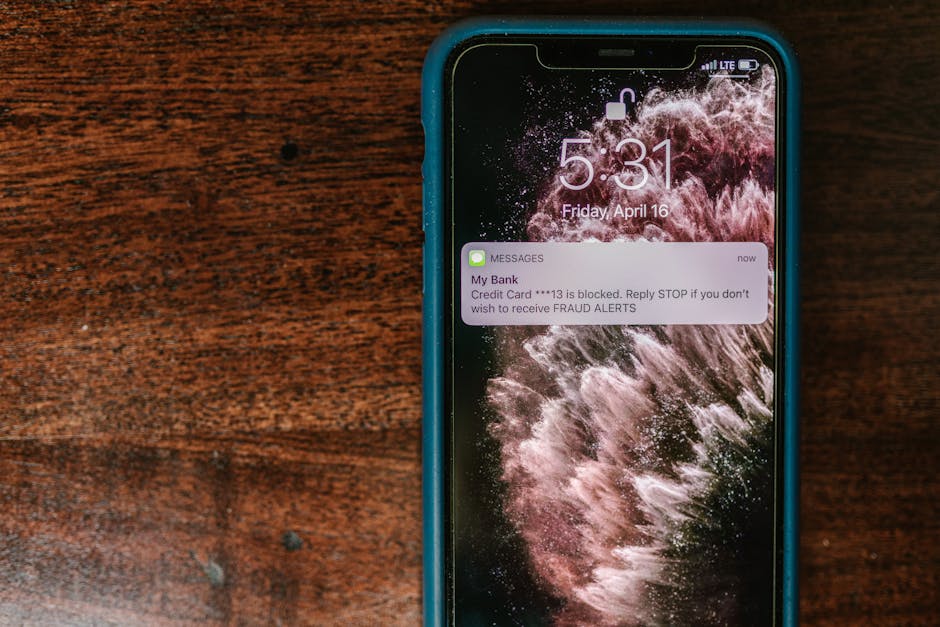
Finally, remember that encryption is just one piece of a larger cybersecurity puzzle. Strong, unique passwords for every account, ideally managed by an encrypted password manager like Bitwarden or 1Password, are non-negotiable. Two-factor authentication (2FA) should be enabled on every service that offers it, adding an extra layer of security beyond just a password. Regularly update your software and operating systems, as these updates often include critical security patches that fix vulnerabilities. Be wary of phishing attempts and social engineering tactics, which aim to trick you into revealing sensitive information. No amount of encryption can protect you if you willingly hand over your keys or fall victim to clever deception. Stay informed about the latest cybersecurity threats and best practices. The digital landscape is constantly evolving, and continuous learning is your best defense. By combining the power of encryption with robust security habits and a healthy dose of vigilance, you can significantly enhance your digital privacy and security, transforming yourself from a potential target into a fortified digital citizen. It’s an ongoing commitment, a journey rather than a destination, but one that is absolutely essential for navigating the complexities and challenges of our interconnected world, ensuring that your digital life remains truly your own.
Beyond the Locks: Cultivating a Mindset of Digital Sovereignty
We've traversed the technical landscape of encryption, understanding its mechanisms, its crucial role in safeguarding our privacy, and the practical tools that bring its power to our fingertips. But truly unlocking the power of encryption isn't just about implementing a few new tools or changing some settings; it's about cultivating a fundamental shift in mindset. It's about embracing digital sovereignty, recognizing that your personal data is an extension of yourself, and asserting your right to control who sees it, who uses it, and how it's handled. This isn't just a tech tutorial; it's a call to action, an invitation to move beyond passive consumption of digital services to becoming an active participant in securing your own digital future. In an age where every click, every purchase, and every conversation can be recorded and analyzed, taking proactive steps to encrypt your life is a powerful act of self-preservation and a declaration of independence in the digital realm. It's about understanding that privacy isn't just a feature; it's a foundational right that demands your active defense, a right that encryption empowers you to reclaim in a world constantly seeking to chip away at it.
This mindset shift begins with awareness. Many people operate under the mistaken belief that they "have nothing to hide," a dangerous fallacy that undermines the very concept of privacy. Privacy isn't about hiding nefarious activities; it's about control over your personal information, the freedom to think, explore, and communicate without constant surveillance. It's about the ability to be yourself without judgment or consequence, to experiment with ideas, and to maintain a personal space free from external scrutiny. When you understand that pervasive data collection can be used to influence elections, manipulate consumer behavior, discriminate against individuals, or even suppress dissent, the "nothing to hide" argument quickly falls apart. Encryption provides a vital counter-balance to this pervasive data-gathering apparatus. It ensures that even if your data is collected, its content remains unintelligible to those without authorization. This awareness then translates into intentional choices: choosing privacy-respecting services over those that monetize your data, opting for strong passwords and 2FA, and consistently using encrypted communication channels. It's about making a conscious decision to value and protect your digital self, recognizing its intrinsic worth in an increasingly commodified online world, a truly empowering realization that transforms you from a data point into a sovereign digital entity.
Furthermore, digital sovereignty extends beyond individual actions to advocating for stronger privacy protections at a societal level. This means supporting legislation that protects encryption, pushing back against government attempts to weaken it, and demanding transparency from tech companies about their data handling practices. It means educating others about the importance of encryption and privacy, helping them navigate the complexities of digital security, and fostering a culture where privacy is seen not as an inconvenience but as a fundamental right. The battle for encryption is not just fought in algorithms and code; it's also fought in courtrooms, legislative chambers, and public discourse. Your voice, combined with the voices of millions of others, has the power to shape the future of digital freedom. By understanding the profound implications of encryption, you become an informed advocate, capable of contributing to a future where secure communication and personal privacy are not privileges, but universal norms. It's a collective responsibility, a shared commitment to building a digital landscape that respects individual autonomy and protects the very fabric of democratic societies, ensuring that the power of encryption serves all, not just a select few.
The Lifelong Journey of Digital Security
Embracing encryption and digital sovereignty isn't a one-time setup; it's an ongoing journey, a commitment to lifelong learning and adaptation. The threat landscape is constantly evolving, with new vulnerabilities discovered and new attack vectors emerging regularly. Therefore, staying informed about the latest cybersecurity news, best practices, and emerging technologies is crucial. Subscribe to reputable cybersecurity blogs, follow experts on social media, and engage with privacy communities. This continuous education will help you identify new threats, understand how they might impact you, and learn about the latest tools and techniques to counter them. For example, as quantum computing progresses, you'll need to stay updated on the transition to post-quantum cryptography. As new privacy-enhancing technologies emerge, you'll want to evaluate their benefits and integrate them into your digital toolkit. The digital world is a dynamic environment, and maintaining your digital armor requires consistent effort and a proactive approach, ensuring that your defenses are always up-to-date against the ever-shifting tides of cyber threats, a true testament to the vigilance required in our interconnected age.
Part of this ongoing journey involves regularly reviewing and updating your security practices. Are your passwords still strong and unique? Have you enabled 2FA on all new services? Is your VPN subscription current and actively used? Are your devices running the latest software updates? Have you audited your privacy settings on social media and other online accounts recently? These routine checks, though seemingly minor, are vital for maintaining a robust security posture. Think of it like maintaining a physical fortress; you wouldn't build it once and then never inspect its walls or reinforce its gates. Digital security demands the same level of diligence. Setting aside dedicated time each month or quarter to conduct a "digital hygiene" check can make a significant difference in preventing potential breaches and ensuring your encryption tools are working effectively. This consistent vigilance transforms security from a daunting task into a manageable routine, embedding it into your digital lifestyle as a natural and essential practice, much like brushing your teeth or locking your car, becoming an inherent part of your daily digital interactions.
"The internet was designed to be open, but we need to design it to be private too. Encryption is the key to that re-design." - Vint Cerf, one of the "fathers of the internet."
Ultimately, unlocking the power of encryption is about reclaiming agency in a world that often feels beyond our control. It’s about understanding that while you cannot prevent all data collection, you can significantly limit its scope and impact by rendering your most sensitive information unintelligible to unauthorized eyes. It's about making conscious choices to protect your digital self, not out of paranoia, but out of a reasoned understanding of the risks and a firm belief in the right to privacy. The tools are available, the knowledge is accessible, and the need is more urgent than ever. By embracing full disk encryption, secure messaging, VPNs, and other cryptographic safeguards, and by cultivating a mindset of digital sovereignty, you empower yourself to navigate the digital world with confidence, security, and true peace of mind. Your digital life is worth protecting, and encryption is the most powerful weapon in your arsenal. Wield it wisely, wield it consistently, and inspire others to do the same, forging a more secure and private digital future for us all, one encrypted byte at a time. This is not merely a technical skill; it is a fundamental aspect of modern digital literacy and a cornerstone of personal freedom in the 21st century, a journey of empowerment that promises a more secure and autonomous digital existence.