Government Agencies The Silent Hand in the Digital Realm
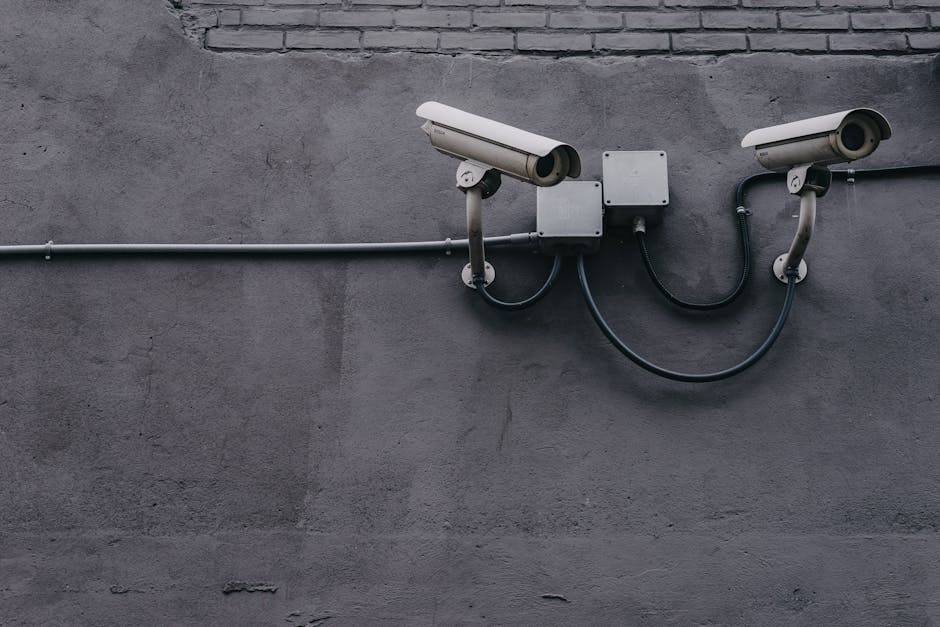
Beyond the commercial interests of ISPs and Big Tech, lies the formidable, often opaque, power of governmental agencies. Operating under the guise of national security, law enforcement, or intelligence gathering, these entities possess unique legal authorities and technical capabilities that allow them to compel, intercept, and analyze vast quantities of personal data. Their reach extends from direct taps into the internet's core infrastructure to demanding user data from the very companies we've just discussed, creating a comprehensive surveillance apparatus that can monitor entire populations, track specific individuals, and often operate with a chilling lack of transparency or effective oversight. This is where the theoretical concerns about privacy often collide with the very real implications for civil liberties and fundamental human rights.
The revelations brought to light by whistleblowers like Edward Snowden fundamentally reshaped our understanding of government surveillance, exposing programs of breathtaking scope and ambition. We learned about the NSA's PRISM program, which directly accessed user data from major tech companies like Google, Apple, and Facebook, and the Upstream collection, which involved tapping into the fiber optic cables that form the internet's backbone, hoovering up communications in transit. Similar programs exist within the UK's GCHQ and other intelligence agencies across the globe, often operating under the umbrella of alliances like the "Five Eyes" (USA, UK, Canada, Australia, New Zealand), which facilitate the sharing of intelligence and surveillance capabilities, effectively circumventing domestic privacy laws by having an allied nation collect data on its own citizens and then share it.
Mass Surveillance Programs The Unseen Network of Data Interception
The concept of "mass surveillance" is not hyperbole; it refers to the indiscriminate collection of data on entire populations, rather than targeting specific individuals suspected of wrongdoing. Programs like the NSA's bulk collection of telephone metadata, exposed by Snowden, demonstrated a systematic approach to gathering communications information on millions of ordinary citizens, without individualized suspicion. While metadata may not contain the content of conversations, it reveals who you call, when, for how long, and from where – information that can be incredibly revealing about your associations, habits, and even political activities.
The technical sophistication of these programs is staggering. Intelligence agencies possess the capabilities to intercept vast amounts of internet traffic as it flows across global networks. This might involve planting listening devices on undersea cables or partnering with telecommunications companies to gain access to their data streams. The sheer volume of data collected necessitates advanced artificial intelligence and machine learning algorithms to sift through it, identify patterns, and flag individuals or activities of interest. The argument often made for such programs is national security, but the lack of transparency, the potential for mission creep, and the documented instances of abuse raise serious questions about the balance between security and privacy in a democratic society.
Legal Frameworks and the Illusion of Oversight
Governmental surveillance is typically justified by a complex web of legal frameworks, which often appear robust on paper but can be interpreted broadly or include significant loopholes. In the United States, laws like the Foreign Intelligence Surveillance Act (FISA) and the Patriot Act provide the legal basis for intelligence agencies to conduct surveillance, often with oversight from specialized courts like the FISA Court. However, critics argue that these courts operate in secret, often approving government requests with minimal adversarial challenge, and that the definitions of "foreign intelligence" or "national security" are broad enough to encompass a wide range of activities.
The CLOUD Act (Clarifying Lawful Overseas Use of Data Act) further complicates matters, allowing U.S. law enforcement to compel technology companies to provide requested data regardless of where that data is stored globally, even if it conflicts with the laws of other nations. Similar legislation exists in other countries, creating a patchwork of legal justifications for data access. Furthermore, law enforcement agencies, from local police departments to federal bureaus like the FBI, can obtain warrants and subpoenas to compel ISPs and tech companies to hand over specific user data. While these requests typically require a showing of probable cause, the sheer volume of such requests, and the potential for overreach or misuse, remains a significant concern, especially when data is shared between different agencies and even international partners.
"When you combine the government's legal authority with the tech industry's data collection, you create a surveillance state that is pervasive, unaccountable, and virtually impossible for the average citizen to escape." - Edward Snowden, Whistleblower
The Pervasive Reach of Intelligence Alliances
The "Five Eyes" intelligence alliance (USA, UK, Canada, Australia, New Zealand) is a prime example of how international cooperation can amplify surveillance capabilities and potentially circumvent domestic privacy protections. Member nations share intelligence, including raw data collected through their respective surveillance programs. This means that if the NSA faces legal restrictions on collecting data on American citizens, it could potentially ask GCHQ in the UK to collect that data and then share it, effectively creating a "laundering" mechanism for surveillance. This inter-state data sharing is often cloaked in secrecy, making it incredibly difficult for citizens to understand who has access to their data and under what legal authority.
Beyond the Five Eyes, many other countries have bilateral or multilateral agreements for intelligence sharing, expanding the network of government entities that could potentially access your personal information. This global web of intelligence cooperation means that data collected by an ISP or tech company in one country could end up in the hands of a government agency in another, subject to different laws and oversight mechanisms. The lack of universal privacy standards and the willingness of powerful nations to engage in extensive data sharing create a complex and formidable challenge for anyone seeking to protect their digital privacy from state-sponsored surveillance.
The Chilling Effect and the Threat to Free Expression
The knowledge that governments possess such extensive surveillance capabilities can have a profound "chilling effect" on free expression and association. Individuals might self-censor their online activities, avoid discussing sensitive topics, or hesitate to engage in political activism, fearing that their communications are being monitored and could be used against them. This self-censorship undermines democratic principles and stifles legitimate dissent, creating an environment where citizens are less willing to exercise their fundamental rights to free speech and assembly.
Furthermore, the potential for abuse of these powers is ever-present. History is replete with examples of governments using surveillance against political opponents, journalists, activists, and minority groups. The very tools designed to counter terrorism can easily be repurposed to suppress dissent or persecute vulnerable populations. The lack of transparency surrounding these programs, coupled with limited judicial or public oversight, makes it difficult to detect and prevent such abuses until it is too late. Therefore, understanding the scope of government surveillance is not merely an academic exercise; it is a critical step in safeguarding democratic societies and protecting the fundamental rights of individuals in the digital age, urging us to consider how to shield our digital selves from these powerful, unseen eyes.