Your Smart Home Cameras Are Watching A Porthole into Your Private World
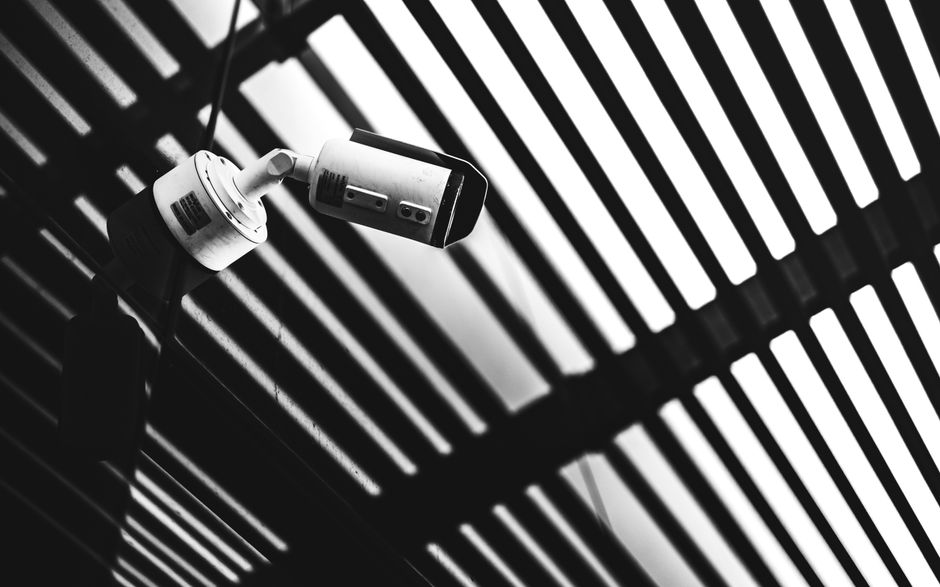
The idea of a camera in our homes used to be confined to baby monitors or perhaps a clunky, conspicuous security system. Now, sleek, discreet lenses are embedded in doorbells, internal security cameras, robot vacuums, and even smart displays. These devices promise peace of mind – the ability to check on your pets, monitor your front porch, or see who’s at the door from anywhere in the world. And for many, they deliver on that promise. But the convenience of remote viewing comes with a significant and often underestimated privacy risk. These cameras offer a live, unblinking eye into your most private spaces, and if not properly secured, that eye can become a porthole for anyone with the right tools and motivation to peer through. It's a stark reminder that every internet-connected device with a camera is a potential vulnerability, transforming your sanctuary into a stage for an unseen audience.
The headlines are replete with examples of smart camera breaches. In 2019, Ring, a popular Amazon-owned doorbell camera company, faced a class-action lawsuit after numerous reports of hackers gaining access to users' cameras, harassing residents, and even speaking to children through the devices' two-way audio feature. These incidents weren't always due to sophisticated hacking; often, they exploited weak or reused passwords, or vulnerabilities in the devices' default security settings. Many users, eager to get their new gadget up and running, neglect to change default passwords or enable two-factor authentication, leaving a wide-open digital door. Beyond outright hacking, there's also the risk of data leaks from the companies themselves. If a company's cloud storage where your video footage is backed up is compromised, your private home videos could end up in the wrong hands, exposed to the dark web or even public view. The psychological impact of knowing your home, your family, your most intimate moments could be viewed by strangers is profound, eroding the fundamental sense of security that our homes are meant to provide.
The Unseen Gaze Facial Recognition and Object Detection
Modern smart cameras are far more sophisticated than simple video recorders; they are equipped with advanced artificial intelligence capable of facial recognition, object detection, and even activity analysis. Your smart doorbell might not just show you who’s at the door; it might identify them by name if they’re in your contact list. Your internal camera might distinguish between your pet and a potential intruder. While these features are marketed as enhancements for security and convenience, they simultaneously create a detailed database of who enters and exits your home, what objects are present, and what activities occur within its walls. This data can be used to build comprehensive profiles, not just of you, but of everyone who visits your home. Imagine a scenario where your smart camera logs every visitor, categorizes them, and potentially even estimates their mood based on their expressions or gait. This information, combined with other data, can paint an incredibly rich, and potentially exploitable, picture of your social circle, your habits, and your vulnerabilities.
"Every smart camera is a potential keyhole into your life, and the more 'intelligent' it becomes, the more it learns about not just what's happening, but who's there and what they're doing." – Alex Stamos, Former Chief Security Officer at Facebook.
The implications of such advanced capabilities extend beyond simple privacy concerns. Facial recognition data, for instance, is highly sensitive biometric information. If this data is breached or misused, it could have far-reaching consequences, from identity theft to surveillance by unauthorized entities. Some smart cameras also offer "person detection" or "package detection," which means they are constantly analyzing the video feed to identify specific objects or human forms. This continuous analysis, while occurring locally or in the cloud, generates metadata that can reveal patterns of your life: when you receive deliveries, how often people visit, or even when your house is empty. This isn't just about recording what happens; it's about interpreting and categorizing it, turning your daily life into a structured dataset. The convenience of being alerted to a package delivery comes at the cost of providing a detailed log of your home's comings and goings, a log that could be invaluable to anyone with malicious intent, from burglars to stalkers. We've traded the anonymity of our physical presence for the convenience of knowing who's at the door, often without fully grasping the extent of the digital breadcrumbs we're leaving behind.
Location Tracking That Follows Your Every Move Your Digital Shadow
Our smartphones have long been the primary culprits for location tracking, but the rise of smart devices has expanded this surveillance network exponentially. Many smart devices, from fitness trackers and smartwatches to smart home hubs and even some smart appliances, contain GPS modules, Wi-Fi triangulation capabilities, or Bluetooth beacons that allow them to pinpoint your location with remarkable accuracy. While these features are often justified by providing useful functionalities like finding your lost device, tracking your runs, or triggering smart home routines when you arrive home, they simultaneously create an incredibly detailed, always-on record of your physical movements. This isn't just about knowing where you are at a given moment; it's about building a comprehensive historical map of your life, revealing your routines, your frequented locations, and even your social patterns.
Imagine your fitness tracker logging your daily commute, your visits to the gym, your weekend hikes, and even your late-night trips to the grocery store. Now combine that with your smart car's GPS data, your smart home hub's "away" status, and the location data from your children's smartwatches. This creates a mosaic of your physical presence that is far more granular and persistent than anything possible just a decade ago. This data is incredibly valuable to advertisers who want to target you with ads for local businesses, but it's also a goldmine for data brokers who aggregate and sell this information to a myriad of third parties. Your location data can reveal sensitive aspects of your life: your religious affiliations (from visits to places of worship), your health status (from visits to clinics), your political leanings (from rallies or campaign offices), and even your relationship status (from frequent overnight stays at a particular address). This isn't theoretical; companies have been caught selling location data that could identify individuals and their sensitive movements, demonstrating the very real-world consequences of this pervasive tracking.
The Unsettling Precision of Your Digital Footsteps
The true power of location tracking from smart devices lies in its aggregation and correlation with other data points. Your smartwatch might know you ran five miles, but when that data is combined with your smart scale's weight measurements, your smart speaker's ambient audio (perhaps picking up your heavy breathing after a workout), and your smart fridge's inventory (noting your healthy food choices), a powerful and intimate profile emerges. This comprehensive data set can reveal not just *where* you go, but *why* you go there and *what you do* when you're there. Law enforcement agencies, for example, have increasingly sought access to location data from smart devices in criminal investigations, sometimes without warrants, raising significant civil liberties concerns. Divorcing spouses have used location data to track partners, and abusive individuals have exploited smart device location features to monitor victims. The very tools designed for convenience can become instruments of control and surveillance when their data is misused or falls into the wrong hands.
"Your location data is not just a dot on a map; it's a narrative of your life, revealing patterns, habits, and secrets that you might not even consciously recognize." – Bruce Schneier, Renowned Security Expert.
Furthermore, the precision of location tracking is continually improving. With the advent of ultra-wideband (UWB) technology in newer smart devices, indoor positioning can be accurate down to a few centimeters, not just meters. This means a smart device could potentially pinpoint your exact position within your home, which room you're in, or even which piece of furniture you're sitting on. While this could enable incredibly smart home automation (e.g., lights following you from room to room), it also creates an unprecedented level of granular surveillance within your private sanctuary. The sheer volume and detail of location data collected by this interconnected web of smart devices mean that your digital shadow is not just trailing you; it's walking beside you, step for step, meticulously recording every turn, every stop, and every moment of your physical existence. It's a constant, silent companion, and its memory is virtually limitless, creating a permanent record of your life's journey, whether you want one or not.