Biometric Data Collection from Wearables Unveiling Your Body's Secrets
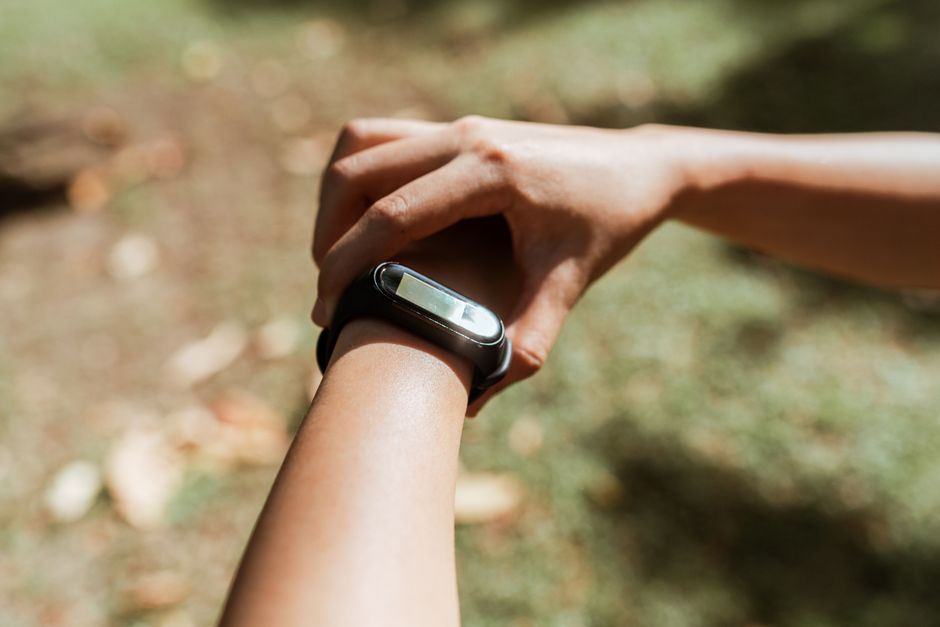
Our bodies, once the ultimate private domain, are now a rich source of data for a growing array of smart devices. Fitness trackers, smartwatches, smart rings, smart scales, and even smart clothing are constantly monitoring our physiological states, collecting an intimate trove of biometric information. Heart rate, sleep patterns, steps taken, calories burned, blood oxygen levels, body temperature, electrocardiogram (ECG) readings, and even body composition are all meticulously recorded and uploaded to the cloud. These devices offer incredible insights into our health and fitness, empowering us to make healthier choices and even detect potential medical issues early. But this profound access to our biological essence comes with equally profound privacy implications, transforming our bodies into data generators for corporations and potentially, for anyone who gains unauthorized access to that data.
The sensitivity of biometric data cannot be overstated. Unlike a password, which can be changed, your heart rate, your unique gait, or your sleep architecture are intrinsic to who you are. If this data is breached or misused, the consequences can be severe and long-lasting. Imagine an insurance company subtly adjusting your premiums based on your sleep patterns or activity levels, or a potential employer accessing your health data to assess your fitness for a role. While regulations like HIPAA in the US protect certain medical data, many consumer wearables fall outside these strictures, operating in a regulatory grey area where companies have significant leeway in how they collect, store, and share your health metrics. In 2020, a popular fitness app suffered a data breach that exposed the location data and other sensitive information of millions of users, including military personnel, illustrating how seemingly innocuous fitness data can have serious real-world security implications. The promise of better health often overshadows the implicit agreement to surrender the most personal information about our physical selves.
The Digital Fingerprint of Your Health and Habits
The data collected by wearables isn't just about raw numbers; it's about patterns and predictions. A continuous heart rate monitor can detect stress levels; a sleep tracker can identify insomnia or sleep apnea; an activity tracker can reveal sedentary habits. When aggregated over time, this data creates a detailed, predictive model of your health trajectory, your lifestyle choices, and even your susceptibility to certain conditions. This information is invaluable to pharmaceutical companies, health product manufacturers, and even marketing firms specializing in wellness. The data can be anonymized and aggregated for research, but the risk of re-identification, especially with such unique personal metrics, is always present. A study by researchers at the University of California, San Diego, demonstrated that it was possible to identify individuals from anonymized activity data with surprising accuracy, simply by cross-referencing activity patterns with publicly available information. This means that even if your name isn't directly attached to the data, your unique "digital health fingerprint" could still be traced back to you.
"Our bodies are becoming the ultimate data factories, churning out intimate details about our health that, once digitized, are incredibly difficult to privatize or reclaim." – Shoshana Zuboff, Author of 'The Age of Surveillance Capitalism'.
Beyond the direct health implications, biometric data can also reveal sensitive behavioral patterns. A smartwatch might log your frequent visits to a bar late at night based on your location and elevated heart rate, or track a sudden drop in activity and sleep disturbances correlating with a period of personal stress. This information, while potentially useful for personal self-improvement, becomes a powerful tool for profiling when shared with third parties. It can be used to infer your alcohol consumption, your mental health state, or even your emotional responses to certain stimuli. The fine print in many wearable apps often grants permission for this data to be shared with "partners" or "affiliates," a broad category that can include advertisers, researchers, and data brokers. We've willingly strapped on devices that act as constant medical monitors and lifestyle auditors, feeding a continuous stream of our most intimate physiological data into the cloud, often with little understanding of who ultimately benefits from this profound insight into our biological selves. It’s a Faustian bargain for fitness, trading our bodily autonomy for a few extra steps and a better night's sleep score.
Your Smart Home's Digital Footprint Revealing Your Habits and Presence
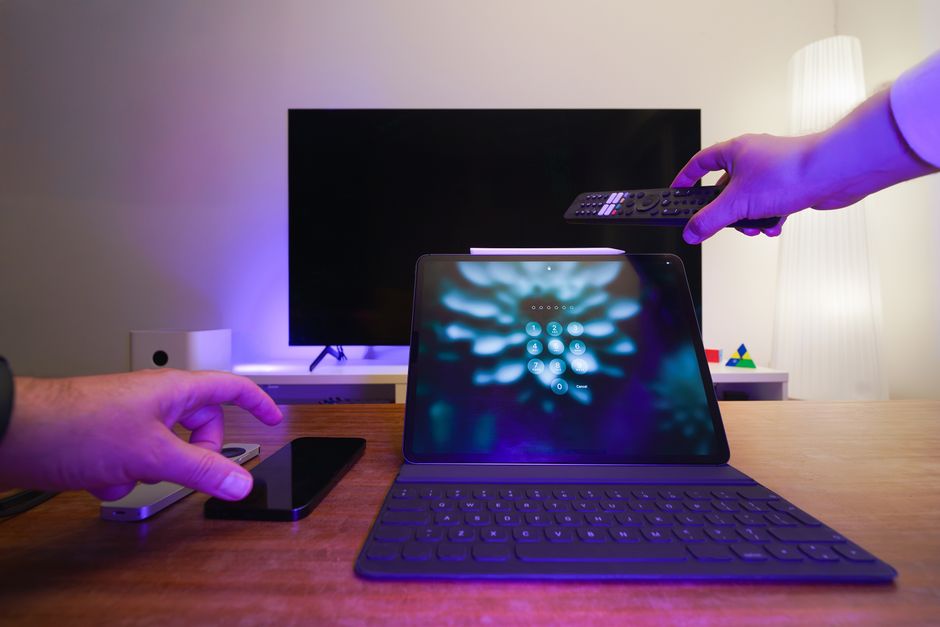
The smart home ecosystem, a constellation of connected devices from thermostats to light bulbs, plugs, and appliances, creates a digital footprint of your life that is both pervasive and incredibly detailed. These devices are designed to learn your preferences, automate your routines, and respond to your presence, making your home more comfortable and efficient. But in doing so, they meticulously record your daily habits, your patterns of presence and absence, and even the subtle rhythms of your household. Your smart thermostat knows when you wake up, when you leave for work, when you return, and what temperature you prefer at different times of the day. Your smart lights track when you turn them on and off, which rooms are occupied, and even the mood you're trying to create with varying brightness and color. This seemingly innocuous data, when aggregated and analyzed, provides a startlingly precise blueprint of your domestic life, revealing far more than just your energy consumption.
Consider the data generated by a smart home. The smart plugs powering your entertainment system know exactly when you're watching TV or playing video games. Your smart coffee maker knows your morning routine down to the minute. Your smart vacuum cleaner maps the layout of your home and logs when it's cleaning. All of this information, when combined, creates a comprehensive timeline of your presence, your activities, and your preferences within your own home. This data is invaluable for targeted advertising – if your smart fridge notes you're frequently running out of milk, you might see ads for grocery delivery services. But the implications stretch far beyond marketing. This granular data can be used to infer incredibly sensitive information about your household. For instance, consistent patterns of lights being off and the thermostat being set to an "away" temperature for extended periods could signal an empty house, making it a prime target for burglars. Similarly, unusual patterns of activity or inactivity could raise red flags for insurance companies or even social services, depending on how the data is interpreted and shared.
The Silent Narrator of Your Domestic Life
The interconnectedness of smart home devices amplifies these privacy risks. A smart home hub acts as a central nervous system, collecting data from all connected devices and often pushing it to a central cloud server. This means that even if an individual device's data seems trivial, the cumulative effect of all devices working in concert creates an incredibly rich and often highly sensitive profile. For example, a smart bed might track your sleep, a smart thermostat logs your room temperature, and a smart speaker notes your ambient sounds. Together, these paint a picture of your sleep hygiene, potential disturbances, and even your health. If this data is breached, it could expose intimate details about your lifestyle, your health, and your family's routines. There have been instances where vulnerabilities in smart home devices have allowed unauthorized access, turning helpful gadgets into surveillance tools for malicious actors. A hacker gaining access to your smart home system could not only control your lights and thermostat but also potentially deduce when you are home, when you are asleep, and what your daily patterns entail.
"Your smart home is a digital diary, meticulously logging every interaction, every presence, and every absence, creating a narrative of your life that is often more detailed than any personal journal." – Edward Snowden, Whistleblower and Privacy Advocate.
Furthermore, the data collected by smart home devices can be used for purposes entirely unforeseen by the consumer. For instance, a security company might analyze the data from smart locks and motion sensors to assess the "risk profile" of your home, potentially influencing your insurance premiums. Energy companies could use smart thermostat data to predict energy demand and even influence your consumption patterns. The terms and conditions for these devices often grant manufacturers broad rights to collect, use, and share this data, often with vague clauses about "improving services" or "research." This means that your smart home, designed to cater to your every whim, is simultaneously acting as a silent narrator of your domestic life, broadcasting your habits and presence to a network of interested parties. It's a convenience that comes with an inherent trade-off, where the comfort of automation is exchanged for a detailed, persistent record of your most private moments within the walls of your own home, often without a clear understanding of who ultimately owns and benefits from that narrative.