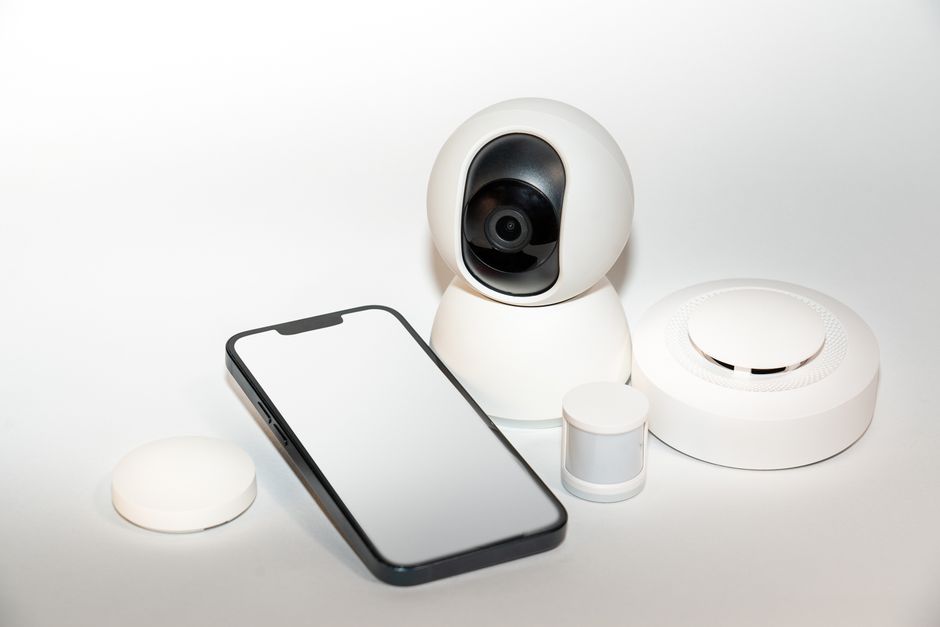
As we continue our journey to fortify our digital privacy, it becomes increasingly clear that our smart devices, in their relentless pursuit of convenience and data, have created an intricate web of surveillance. We've already addressed the critical issues of always-on microphones, intrusive cameras, and the pervasive tracking of our physical locations. Now, let’s delve deeper into the less obvious but equally significant ways our gadgets are collecting and sharing our personal information, and how we can effectively pull back the curtain on these practices.
Deciphering Your Digital Footprint Activity Tracking and Data Sharing with Third Parties
Beyond microphones, cameras, and GPS, many smart devices are designed to track our activities in less overt ways, compiling detailed profiles of our habits, interests, and even our health. Fitness trackers, for instance, meticulously record our steps, heart rate, sleep patterns, and workout routines. While this data is invaluable for personal health goals, it also creates an incredibly intimate biometric dossier. Smart TVs, as mentioned earlier, employ Automatic Content Recognition (ACR) to identify everything you watch, regardless of the source, feeding this information back to manufacturers and their advertising partners. Even seemingly innocuous smart home sensors that monitor temperature, humidity, or light levels contribute to a broader understanding of your home's occupancy and energy usage patterns. This continuous stream of activity data, often aggregated and anonymized (or so they claim), forms the bedrock of personalized experiences, but also fuels the data brokerage industry.
The primary concern with activity tracking extends to how this data is shared with third parties. Many device manufacturers and app developers engage in partnerships that allow your activity data to be sold or shared with advertisers, data brokers, and analytics firms. For example, your fitness tracker data could be used to infer your health status, potentially impacting insurance premiums or eligibility for certain services. Your smart TV viewing habits, combined with data from other devices, can create a remarkably accurate picture of your household's demographics and interests, leading to hyper-targeted advertising that feels eerily prescient. There have been cases where sensitive health data from wearables was found to be accessible to third-party apps with questionable privacy policies, highlighting the very real danger of information leakage when data sharing is unchecked. It's a Wild West scenario where your most personal data can be traded and exploited without your full awareness or consent.
To reclaim control over your activity data, you must become a diligent auditor of your device settings and app permissions. For fitness trackers and health apps, delve into their privacy settings to understand what data is collected, how long it’s stored, and, most importantly, which third parties it’s shared with. Opt out of any "data sharing for research" or "personalized insights" features if you're uncomfortable with the implications. On smart TVs, actively search for and disable ACR (Automatic Content Recognition) or "Smart Interactivity" features. These settings are often buried deep within the privacy or general settings menus, sometimes under vague names. For other smart home devices, review the terms of service for insights into their data collection and sharing practices, and look for options to limit the data they transmit. Many devices offer "guest modes" or "privacy modes" that restrict data collection, which can be useful when you have visitors. Remember, the goal is to minimize the amount of activity data that leaves your local network and enters the vast, often opaque, ecosystem of data brokers.
Breaking the Ad Chains Advertising Personalization and Cross-Device Tracking
One of the most pervasive forms of smart device surveillance is the collection of data for advertising personalization and cross-device tracking. Every click, every search, every video watched, and every app opened contributes to a profile that ad networks use to show you highly targeted advertisements. This isn't limited to your phone or computer; smart TVs, streaming devices, and even some smart home gadgets contribute to this profile. The concept of "cross-device tracking" means that advertisers can connect your activity across all your devices – your phone, tablet, smart TV, and laptop – to create a unified, incredibly detailed picture of your digital persona. This allows them to follow you from one screen to the next, serving up ads that feel tailored to your every thought, often leading to that unnerving feeling of being constantly watched and understood by algorithms.
The problem with advertising personalization goes beyond mere annoyance; it represents a fundamental erosion of privacy and can lead to manipulative practices. When advertisers know your preferences, habits, and even your emotional state with such precision, they gain an unprecedented ability to influence your purchasing decisions and even your opinions. Data brokers collect vast amounts of information about individuals, including demographics, income, interests, and even inferred political leanings, which they then sell to advertisers. This creates an environment where your digital identity is constantly being auctioned off to the highest bidder, all in the service of showing you more relevant ads. Furthermore, the algorithms used for personalization can sometimes perpetuate biases or even lead to discriminatory targeting, showing certain groups different ads or opportunities based on their inferred characteristics, which is a deeply concerning ethical issue.
To combat advertising personalization and cross-device tracking, you need to take a multi-pronged approach across your digital ecosystem. On your smartphone, navigate to your privacy settings and look for sections related to "Advertising" or "Privacy & Ads." Here, you can typically "Limit Ad Tracking" (iOS) or "Opt out of Ads Personalization" (Android) and reset your advertising identifier. Do this regularly. On smart TVs and streaming devices, delve into the settings for privacy, data, or advertising to disable "Interest-Based Ads" or "Personalized Ads." Many web browsers also offer settings to block third-party cookies and enable "Do Not Track" requests, though the latter is often ignored by websites. Consider using privacy-focused browsers and search engines that don't track your activity. It's a continuous effort, but by consistently opting out and resetting identifiers, you can significantly disrupt the invisible chains that link your devices and your data for advertising purposes, making it harder for companies to build a comprehensive profile of your digital self.
The Gatekeepers of Your Digital Life App Permissions on Smart Devices and Mobile Ecosystems
In our interconnected world, apps are the primary interface through which we interact with most smart devices, from our smartphones and tablets to smart TVs and even smart home hubs. Each app, upon installation, often requests a dizzying array of permissions: access to your camera, microphone, location, contacts, photos, storage, and even network activity. While some permissions are genuinely necessary for an app to function (e.g., a camera app needs camera access), many apps request far more access than they actually require. This over-permissioning creates a significant privacy vulnerability, as it grants apps the ability to collect data that is tangential or completely unrelated to their core purpose, often without your full awareness of what they're doing with it in the background.
The problem with excessive app permissions is two-fold. Firstly, it allows apps to become data vacuums, silently siphoning off information from your device that you might not intend to share. For example, a simple game might request access to your contacts or call history, data it has no legitimate reason to possess. This collected data can then be used for targeted advertising, sold to data brokers, or even exploited in the event of a data breach. Secondly, overly permissive apps can pose a security risk. If a malicious app gains access to your microphone or camera, it could potentially record your private conversations or capture images without your knowledge. Even seemingly benign apps can have vulnerabilities that, if exploited, could turn their granted permissions into a gateway for unauthorized access to your sensitive data. The sheer volume of apps we install and the speed with which we grant permissions often mean we're unknowingly opening up numerous potential backdoors into our digital lives.
Taking back control of app permissions is a crucial, ongoing task that requires vigilance. On your smartphone or tablet, regularly review the permissions granted to each app. Navigate to your device's settings, find the "Apps" or "Applications" section, and then go into individual app settings to manage their permissions. Be ruthless: revoke access for any permission that doesn't directly contribute to the app's core functionality. Does your calculator app really need access to your location? Does a weather app need your contacts? Probably not. For smart TVs and streaming devices, the process can be more cumbersome, but look for sections related to "App Management" or "Privacy Settings" to review and restrict what each installed app can access. Be especially wary of pre-installed apps or "bloatware" that often come with broad permissions. Make it a habit to check permissions immediately after installing a new app and to periodically audit all your apps. This diligent management of app permissions is a powerful way to limit the data flow from your devices and ensure that only essential information is shared with the services you choose to use.
Securing the Digital Gates Network-Level Privacy Controls and Device Isolation
While individual device settings are vital, a comprehensive privacy strategy must also extend to your home network, which serves as the central hub for all your smart gadgets. Your Wi-Fi router, often overlooked, is the gateway through which all your smart device data travels to the internet. Many smart devices, particularly those in the Internet of Things (IoT) category, are notoriously insecure, often shipping with default passwords, unpatched vulnerabilities, and lax encryption standards. If your router itself is compromised, or if your IoT devices have weak security, it creates a massive vulnerability for your entire home network, potentially exposing not only the data collected by your smart devices but also other sensitive information from your computers and phones. A secure network is the foundation of a private smart home, and ignoring it is like locking your front door while leaving the back door wide open.
The risks associated with an insecure network are substantial. A compromised router can allow attackers to intercept all your internet traffic, redirect you to malicious websites, or even gain access to other devices on your network. Insecure IoT devices, often designed with minimal security features to keep costs low, can be easily hacked and used as entry points into your home network. There have been numerous reports of botnets composed of compromised smart cameras and DVRs, used to launch massive denial-of-service attacks. Beyond overt hacking, many smart devices communicate with their cloud services using unencrypted or weakly encrypted connections, making their data streams vulnerable to eavesdropping by anyone with access to your network. This means that even if you've tweaked individual device settings, a weak network can still undermine your privacy efforts, allowing your data to be intercepted before it even reaches the device manufacturer's servers.
To fortify your network-level privacy, start by securing your Wi-Fi router. Change the default administrator password immediately to a strong, unique one. Ensure WPA2 or WPA3 encryption is enabled for your Wi-Fi network. Regularly check for and install firmware updates for your router, as these often contain critical security patches. Consider creating a separate "guest" Wi-Fi network or, even better, a dedicated IoT network (also known as a VLAN or Virtual Local Area Network) for all your smart devices. Isolating your IoT devices on their own network segment prevents them from directly communicating with your more sensitive devices (like computers and phones) and limits the damage if an IoT device is compromised. For individual smart devices, research their security features, change default passwords, and disable any cloud access or remote control features if you don't use them. By taking these proactive steps to secure your network, you create a robust perimeter around your digital home, significantly reducing the attack surface and enhancing the privacy of all your connected gadgets. It's an essential layer of defense that complements all the individual device settings we've discussed, ensuring your smart home remains truly yours.