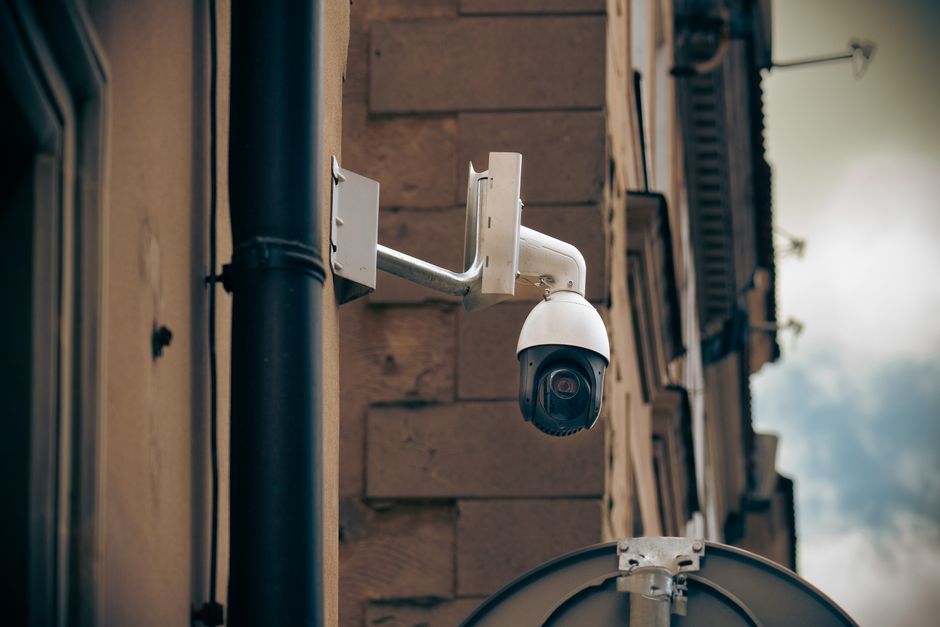
Our homes, traditionally bastions of safety and privacy, are increasingly being outfitted with unblinking sentinels designed to protect us. Smart security cameras and video doorbells have become incredibly popular, offering peace of mind by allowing us to monitor our properties remotely, see who’s at the door, and even communicate with visitors from anywhere in the world. Brands like Ring, Nest Cam, Arlo, and Eufy have flooded the market with devices promising enhanced security, convenience, and control. The appeal is obvious: deter burglars, keep an eye on packages, check in on pets, or monitor elderly relatives. Yet, the very nature of these devices – their constant recording capabilities, their cloud-based storage, and their integration into vast corporate networks – introduces a new set of profound privacy and security concerns that often go unaddressed in the sales pitch. These aren't just passive observers; they are active recorders, capturing visual and often auditory data from our homes and surrounding areas 24/7, transforming our front porches and living rooms into continuous surveillance zones, often without clear boundaries or sufficient protections for the sensitive information they collect. The trade-off for this perceived security is a significant expansion of the surveillance footprint, extending beyond our immediate control and into the hands of third-party corporations and, potentially, other entities, fundamentally altering the private nature of our domestic spaces.
The core functionality of these smart security cameras and video doorbells revolves around constant recording and cloud storage. Most of these devices are designed to capture footage either continuously or when motion is detected, uploading these video clips to a remote server maintained by the manufacturer. While this allows for convenient access to historical footage and real-time monitoring, it also means that highly sensitive visual data of your home, your family, your visitors, and your property is being stored off-site, in corporate data centers. The question then becomes: who has access to this footage? How long is it retained? And what security measures are in place to protect it from unauthorized access? The answers are often complex and vary by manufacturer, but the general trend is towards longer retention periods and opaque access policies. This vast repository of visual data represents an incredibly rich source of personal information, detailing your movements, your comings and goings, the people who visit your home, and even the contents of your deliveries. It's a digital diary of your domestic life, meticulously compiled and stored by a third party, creating a single point of failure that, if compromised, could expose an astonishing breadth of your private existence, turning your home's perimeter into a continuous data stream for corporate analysis and potential exploitation, far beyond the initial promise of mere security.
The Unblinking Sentinels at Our Gates
The rise of smart security cameras and video doorbells has brought with it a host of high-profile privacy controversies, particularly concerning partnerships between manufacturers and law enforcement agencies. Amazon’s Ring, a dominant player in the video doorbell market, has faced intense scrutiny for its extensive collaborations with police departments across the United States. Through programs like "Neighbors by Ring," law enforcement agencies can request access to user camera footage, often without a warrant, or directly solicit footage from residents via the app. While proponents argue this aids in crime solving and community safety, privacy advocates warn of the creation of a vast, privately owned surveillance network that bypasses traditional legal oversight and due process. The sheer scale of these partnerships means that police departments have a direct channel to potentially millions of privately owned cameras, effectively creating a sprawling web of public-private surveillance. This raises profound questions about Fourth Amendment rights, the erosion of privacy in public spaces (and semi-public spaces like front porches), and the potential for misuse of such powerful tools, transforming neighborhood watch into something far more pervasive and less accountable, making every home with a Ring doorbell a potential node in a de facto police surveillance grid, without democratic oversight or individual consent.
The implications of these law enforcement partnerships are far-reaching. Critics argue that they foster a "suspect-everyone" mentality, where individuals going about their daily lives can be inadvertently caught on camera and have their footage shared with authorities, regardless of whether they are involved in any criminal activity. This creates a chilling effect, where people might feel hesitant to walk down certain streets or visit certain homes, knowing they could be perpetually recorded and their movements scrutinized. Furthermore, the lack of transparency around how these requests are made, reviewed, and fulfilled raises concerns about potential biases and overreach. Are police departments targeting specific neighborhoods or demographics? Are requests based on genuine criminal investigations or fishing expeditions? The absence of clear legal frameworks and oversight mechanisms means that a powerful surveillance tool, owned by a private corporation, is being integrated into the public safety apparatus without adequate checks and balances, fundamentally altering the relationship between citizens and law enforcement. This blurring of lines between private property and public surveillance transforms our homes, and the areas immediately surrounding them, into constant observation zones, chipping away at the very fabric of civil liberties and the expectation of privacy in our communities, turning every doorbell into a potential eye for the authorities.
Beyond law enforcement access, these devices are also vulnerable to data breaches and hacking, exposing highly sensitive footage to malicious actors. Numerous incidents have been reported where smart cameras were compromised, allowing hackers to gain unauthorized access to live feeds, speak through the device's speakers, or even download private recordings. In one particularly disturbing case, a hacker gained access to a Ring camera in a child's bedroom and began speaking to the young girl through the device, terrifying the family. These incidents highlight the inherent security risks of internet-connected devices, especially those handling intimate visual and auditory data from inside our homes. Weak passwords, unpatched vulnerabilities, and lax security practices by users or manufacturers can all create entry points for attackers. Once compromised, these cameras become tools for voyeurism, harassment, or even physical security threats, as criminals could use the footage to gather intelligence for burglaries or other malicious activities. The promise of security offered by these devices can, paradoxically, introduce new and significant vulnerabilities, turning our supposed guardians into potential gateways for invasion of privacy and even physical harm, leaving us more exposed than before, undermining the very sense of safety they were meant to provide within our personal sanctuaries.
Facial Recognition and the Automated Gaze
Many modern smart security cameras and video doorbells are increasingly incorporating advanced artificial intelligence features, most notably facial recognition and object detection. While marketed as beneficial functionalities – for instance, differentiating between a family member and a stranger, or identifying a package delivery – these capabilities raise profound ethical and privacy concerns. Facial recognition technology, in particular, has the power to identify individuals within the camera's field of view, creating a persistent record of who visits your home, when they arrive, and when they leave. This moves beyond mere motion detection; it's about identifying and tracking specific people. When combined with cloud storage and powerful AI algorithms, this data can be used to build incredibly detailed profiles of individuals, including friends, family, delivery drivers, and even passersby. The implications for privacy are staggering: imagine every person who approaches your home being automatically identified and logged, their presence time-stamped and potentially cross-referenced with other data. This creates a de facto surveillance state around your private property, extending its reach to anyone who enters its digital gaze, fundamentally altering the nature of casual interaction and anonymity in public and semi-public spaces, eroding the very fabric of personal freedom and the right to move unmonitored.
The use of facial recognition by private citizens, even on their own property, also raises questions about consent and the right to be free from surveillance. Do your guests, neighbors, or the postal worker consent to having their biometric data collected and analyzed every time they approach your door? Often, the answer is no, or at best, implied without clear notice. The technology allows for the creation of private databases of faces, which, if compromised, could lead to identity theft or other forms of exploitation. Furthermore, the accuracy and potential biases of facial recognition algorithms are well-documented. Misidentifications can have serious consequences, leading to false accusations or unwarranted suspicion. The technology is often less accurate on individuals with darker skin tones or certain facial features, raising concerns about algorithmic discrimination and exacerbating existing societal inequalities. The integration of such powerful and potentially biased technology into consumer-grade security devices without robust regulation or ethical guidelines is a dangerous precedent, transforming our homes into experimental zones for surveillance tech that has significant societal implications, blurring the lines between personal security and pervasive, potentially discriminatory, monitoring.
"Smart cameras are sold as guardians, but they can be prolific data collectors. When you add facial recognition, you're not just monitoring your property; you're building a biometric database of everyone who comes near it, often without their knowledge or consent. That's a profound shift in privacy." – Professor Clara Davies, Surveillance Studies Researcher.
Moreover, the data collected by these facial recognition systems is incredibly valuable. Beyond security, it can be used for various commercial purposes, from targeted advertising (e.g., identifying a frequent visitor and tailoring ads to them) to market research. While manufacturers typically claim to anonymize or aggregate such data, the potential for re-identification is always a concern, especially as AI technology advances. The lack of clear legal frameworks specifically addressing the collection and use of biometric data by private entities through consumer devices leaves a significant regulatory void. This means that individuals have limited recourse if their biometric information is collected, stored, or potentially misused without their explicit consent. The convenience of knowing "who's at the door" through advanced AI comes at a significant cost to the privacy of everyone who steps onto your property, turning your private security system into a potentially invasive surveillance tool with far-reaching implications for individual rights and the fabric of a free society, making every approach to your home a data event, recorded and analyzed by an unblinking digital eye.