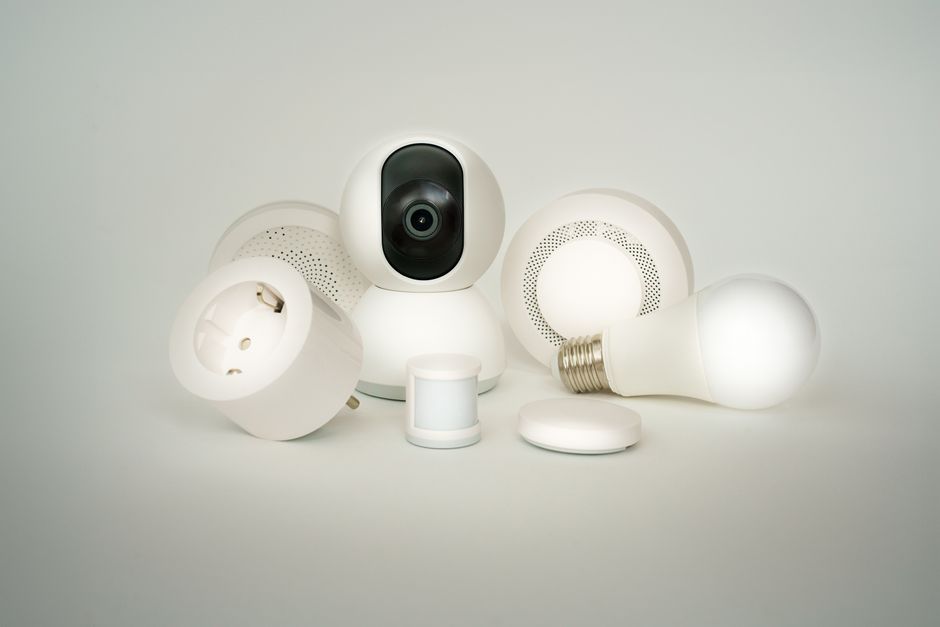
Having navigated the labyrinthine world of smart home data collection, the pervasive surveillance, and the myriad of security vulnerabilities, it's clear that simply unplugging everything isn't a practical solution for most. The convenience and utility of these devices are undeniable, and for many, they've become an integral part of modern living. However, living with smart technology doesn't mean passively accepting the erosion of your privacy. There are concrete, actionable steps you can take to reclaim some control over your data, fortify your home network, and make more informed decisions about the technology you invite into your most personal spaces. Think of it less as a battle against an insurmountable foe and more as an ongoing process of digital hygiene, much like you would maintain your physical home. It requires vigilance, a bit of technical know-how, and a willingness to question the default settings, but the peace of mind gained is immeasurable. Let's explore how you can turn your smart home into a fortress, not a data outpost.
The first and most crucial step is to cultivate a healthy skepticism towards any device that promises to make your life easier. Before purchasing a new smart gadget, take a moment to research its privacy policy, not just its features. Look for companies with a strong track record of privacy and transparency, even if it means paying a bit more. Understand what data the device collects, how it's stored, and with whom it might be shared. This proactive approach, while requiring a little extra effort upfront, can save you a lot of headaches and privacy concerns down the line. Remember, if a product is "free" or exceptionally cheap, you are often the product, and your data is the currency. This fundamental shift in mindset from passive consumer to active digital citizen is the bedrock upon which a more secure and private smart home can be built, empowering you to make choices that align with your personal values regarding data autonomy.
Taking Back Your Digital Space Practical Privacy Fortifications
One of the most immediate and impactful actions you can take is to meticulously review and adjust the privacy settings on all your existing smart devices and their associated apps. Do not settle for the default options, as these are almost always configured to maximize data collection for the company's benefit. For voice assistants like Alexa and Google Assistant, delve into the settings to limit or delete voice recordings. You can often choose to disable human review of your recordings, or even opt out of voice recording storage altogether, though this might impact some personalized features. Regularly clear your activity history, just as you would clear your browser cache. For smart cameras and doorbells, configure motion detection zones to only monitor public areas or your property, avoiding capturing neighbors' yards or public streets where possible. Understand the permissions each app requests; if a smart light app wants access to your microphone or contacts, that should be a major red flag. Always ask yourself if the requested permission is truly necessary for the device's core functionality.
Another powerful strategy is to segment your network. This involves creating a separate network (often called a VLAN or guest network) specifically for your smart home devices. By isolating your IoT gadgets from your main network where your computers, smartphones, and sensitive files reside, you create a protective barrier. If a smart device is compromised, the attacker will only have access to that isolated segment, significantly reducing the risk of them pivoting to your more critical devices. While setting up a VLAN might sound intimidating, many modern routers offer simplified guest network features that can achieve a similar level of isolation with just a few clicks. Furthermore, ensure all your smart devices and your router are running the latest firmware. Manufacturers frequently release updates to patch security vulnerabilities, and keeping your devices updated is paramount to staying protected. Enable automatic updates whenever possible, or make it a routine to check for them manually, as neglected updates are often the easiest entry points for malicious actors.
Building a More Secure Smart Home Essential Steps for Digital Self-Defense
- Embrace Strong, Unique Passwords and Multi-Factor Authentication (MFA): This is non-negotiable. Every smart device and associated account should have a unique, complex password, ideally generated by a password manager. Crucially, enable multi-factor authentication (MFA) on every account that offers it. This adds an extra layer of security, typically requiring a code from your phone in addition to your password, making it exponentially harder for unauthorized users to gain access even if they somehow obtain your password. This single step can dramatically improve your overall smart home security posture against common hacking attempts.
- Be Mindful of Voice Assistant Wake Words and Microphones: While you can't disable the "always listening" aspect without turning off the device, you can mute the microphone on your smart speakers when you don't need them. Many devices have a physical mute button, offering a clear visual indicator that the microphone is off. Consider placing voice assistants in less private areas of your home, like the living room, rather than bedrooms or bathrooms, to minimize the capture of highly personal conversations. Remember, convenience is great, but privacy in your most intimate spaces is invaluable.
- Audit Your Device Permissions and Connected Services Regularly: Over time, you might connect new services or grant additional permissions without realizing the full scope. Periodically review which apps and services are connected to your smart home ecosystem (e.g., in your Alexa or Google Home app settings) and revoke access for any that you no longer use or that seem to have excessive permissions. This digital decluttering helps reduce your attack surface and limits the number of entities with access to your data. It’s a good practice to do this every few months, like a digital spring cleaning.
- Consider a VPN for Your Router or Specific Devices: While not all smart devices support VPNs directly, installing a VPN on your router can encrypt all traffic leaving your home network, including that from your smart devices. This adds a layer of privacy and security, making it harder for ISPs and other third parties to monitor your smart home's internet activity. For devices that can't use a router VPN, some manufacturers offer built-in VPN client support, which should be utilized where available to ensure encrypted communication, protecting your data even from prying eyes on public Wi-Fi.
- Research Before You Buy and Choose Reputable Brands: Not all smart devices are created equal when it comes to security and privacy. Prioritize brands with a proven commitment to privacy, transparent data policies, and a history of providing regular security updates. Look for devices that support open standards or have a strong community reputation for security. Avoid generic, no-name brands that might cut corners on security in favor of lower prices, as these are often the most vulnerable links in your smart home chain. Read reviews specifically focusing on security and privacy aspects.
- Be Wary of Free or Cheap Smart Home Devices: As the old adage goes, "if you're not paying for the product, you are the product." This holds especially true in the smart home realm. Devices offered at incredibly low prices or even for free might be designed primarily for data collection, with their cost subsidized by the value of your personal information. Invest in quality, secure products from reputable manufacturers who have a vested interest in protecting their brand and, by extension, your data. A few extra dollars upfront can save you significant privacy headaches later.
- Limit Remote Access and Cloud Storage: While remote access is a core convenience of smart homes, consider if you truly need it for every device. For some devices, local control might be sufficient, reducing reliance on cloud services and the associated privacy risks. If cloud storage is necessary, especially for camera footage, opt for services that offer end-to-end encryption and have clear data retention policies. Be selective about what you store in the cloud and for how long, minimizing the potential impact of a cloud data breach.
- Educate Your Household: Your smart home's security is only as strong as its weakest link, and that often includes the people using it. Educate family members about privacy best practices, the importance of strong passwords, and the implications of interacting with smart devices. Discuss the mute button on voice assistants, the implications of sharing access, and the general principle of being mindful of what is said or done around always-on microphones and cameras. Collective awareness is a powerful defense against digital intrusion.
The journey to a truly secure and private smart home is an ongoing one, not a destination. As technology evolves, so too will the challenges and the solutions. By adopting these practical steps, however, you can significantly mitigate the risks, transform your connected living space from a potential surveillance hub into a sanctuary, and ensure that convenience doesn't come at the unbearable cost of your personal privacy. It's about being an active participant in your digital life, rather than a passive observer, and asserting your right to control the data that defines you within the very walls of your home.