When Convenience Collides with Security Vulnerabilities
The allure of smart devices is undeniable: convenience, automation, and a seemingly effortless integration into our lives. But this very connectivity, the lifeblood of their "smart" capabilities, also introduces significant security vulnerabilities that are often overlooked until it’s too late. Every smart device, from your internet-connected refrigerator to your smart doorbell, represents another potential entry point into your home network. Many of these devices, particularly lower-cost options, are rushed to market with inadequate security features, using weak default passwords, unpatched firmware, and insecure communication protocols. This makes them prime targets for cybercriminals who can exploit these weaknesses to gain unauthorized access, not just to the device itself, but potentially to your entire home network. Once a hacker gains a foothold, they can launch further attacks, compromise other devices, steal sensitive data, or even turn your smart gadgets into botnet participants for larger-scale cyberattacks, all without you ever realizing your seemingly innocuous smart light bulb has become a weapon in a digital war.
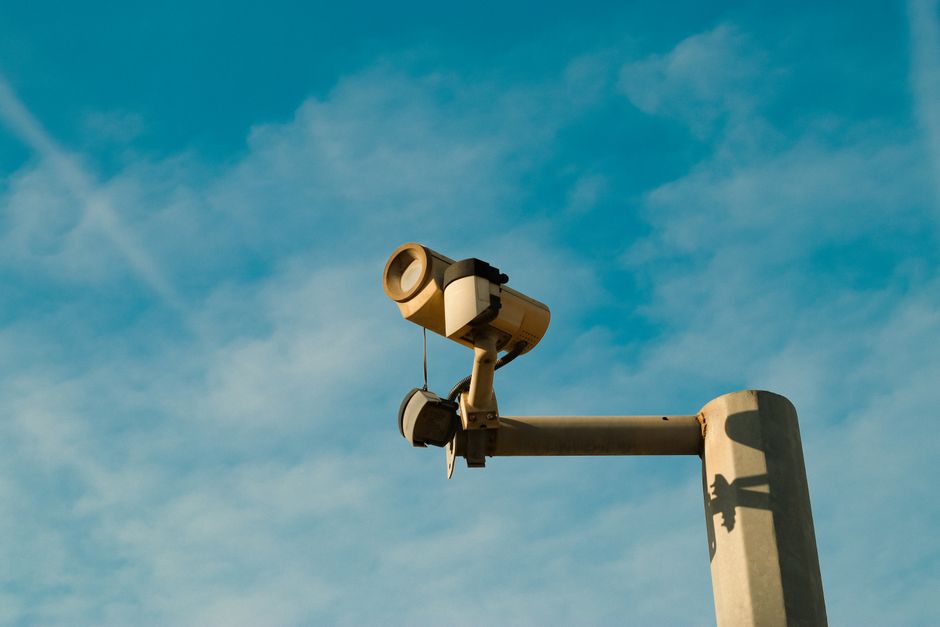
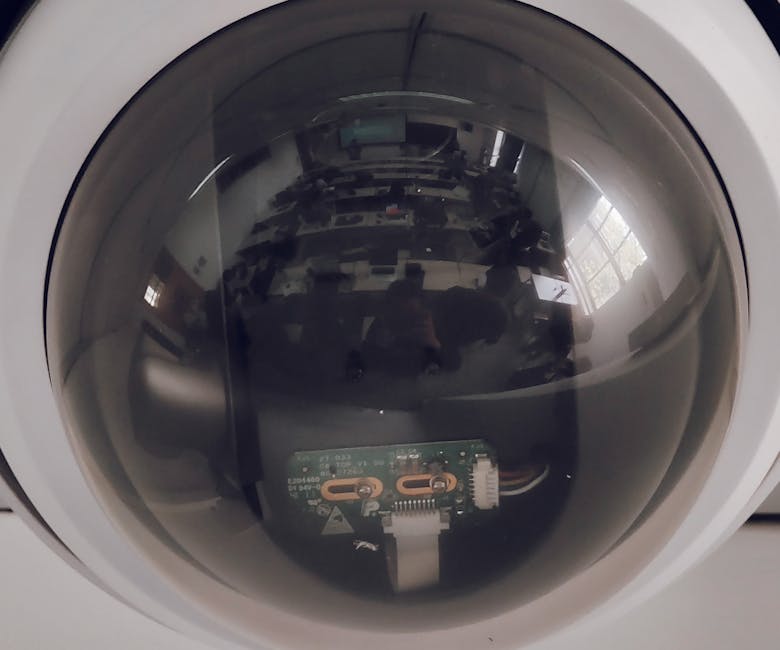
The consequences of these security vulnerabilities can range from annoying to truly devastating. Imagine a smart security camera being hacked, allowing a stranger to view live footage of your home, observe your daily routines, and potentially identify valuable assets. Or a compromised smart lock that grants unauthorized access to your physical property. Beyond direct access, insecure smart devices can be used as pivot points to access more sensitive data on your network, such as personal files on your computer or financial information. The vast majority of consumers are not cybersecurity experts, and they reasonably expect the devices they purchase to be secure by design. However, the economic pressures to produce cheap, feature-rich devices often means security is an afterthought, if it’s considered at all. Furthermore, many manufacturers are notoriously slow, or entirely absent, when it comes to providing ongoing security updates, leaving devices vulnerable for years after purchase. This fundamental tension between the pursuit of convenience and the imperative of robust security creates a precarious situation, where our digitally enhanced lives are built upon a foundation riddled with potential weaknesses, making us constant targets for those who seek to exploit these technological gaps for nefarious purposes, transforming our smart homes into potential digital liabilities rather than secure sanctuaries.
The Creeping Normalization of Surveillance Capitalism
Perhaps the most insidious aspect of this pervasive data collection by smart devices is the creeping normalization of what Shoshana Zuboff aptly terms "surveillance capitalism." It's a new economic order where human experience is unilaterally claimed as free raw material for translation into behavioral data. This data is then used to predict and modify human behavior, all for the purpose of profit. We've become accustomed to targeted ads, personalized recommendations, and the constant digital hum of data exchange in our browsers, but the expansion of this model into our physical spaces through smart devices fundamentally alters our relationship with privacy. When your refrigerator monitors your food consumption, your smart speaker listens to your conversations, and your car tracks your every movement, the line between public and private evaporates. Our lives become an open book, not just to the companies that make these devices, but to the vast, interconnected network of data brokers, advertisers, and potentially even governments, all seeking to extract value from the intimate details of our existence.
This normalization isn't just about the data itself; it's about the erosion of our autonomy and the subtle manipulation of our choices. When companies know so much about us, they can subtly nudge our behavior, influence our decisions, and even shape our perceptions in ways we don't fully comprehend. The algorithms fueled by this vast ocean of data are designed to keep us engaged, to make us buy, to make us conform to predicted patterns. This isn't necessarily malevolent in every instance, but the cumulative effect is a society where individual agency is gradually diminished, replaced by algorithmic control and predictive analytics. The convenience offered by smart devices becomes a powerful incentive to surrender our privacy, creating a Faustian bargain where we trade our intimate data for comfort and efficiency. As more and more aspects of our lives become digitized and interconnected, the scope of this surveillance capitalism expands, making it increasingly difficult to opt out or carve out spaces of genuine privacy. The shocking amount of data collected by our smart devices isn't just a technical issue; it's a profound societal challenge, forcing us to confront the very nature of privacy, freedom, and human dignity in an age where every interaction, every movement, and every utterance can be monetized, making the fight for digital self-determination an urgent and existential struggle for the future of humanity.
Beyond the Home The Ubiquitous Reach of Smart Device Tracking
While we've primarily focused on smart devices within the confines of our homes and vehicles, it's crucial to understand that the reach of this data collection extends far beyond these traditional boundaries, permeating public spaces and even our workplaces. Smart cities initiatives, for example, often involve deploying a network of interconnected sensors, cameras, and IoT devices across urban environments. These can monitor everything from traffic flow and air quality to pedestrian movements and public safety, ostensibly for the betterment of urban living. However, these same systems also collect vast amounts of data on individuals' movements, interactions, and behaviors in public spaces, often without explicit consent or clear transparency. Imagine smart streetlights equipped with cameras and microphones, or public Wi-Fi networks that track your device's MAC address as you move through a city. This constant public surveillance, while potentially offering benefits, also aggregates an unprecedented amount of behavioral data, which can then be used for commercial purposes, law enforcement, or even social scoring in some authoritarian regimes. The promise of a smarter, more efficient city often comes with the implicit trade-off of a less private, more surveilled citizenry, making our presence in public spaces another opportunity for data extraction and profiling, blurring the lines between private life and public scrutiny in ways that are deeply concerning for civil liberties and individual anonymity.
Moreover, the workplace is increasingly becoming a frontier for smart device data collection, often under the guise of productivity monitoring or safety enhancement. Wearable devices are being deployed to track employee movements, postures, and even biometric data in certain industries. Smart badges can log an employee's location within an office, their interactions with colleagues, and the duration of their breaks. While employers might argue these tools enhance efficiency or ensure compliance, they also create a highly surveilled work environment where every action can be recorded and analyzed. This data can be used to assess performance, inform promotions or disciplinary actions, and even predict employee turnover. The implications for worker privacy and autonomy are significant, as the traditional boundaries between work and personal life blur, and the expectation of privacy in the workplace diminishes. Furthermore, enterprise-level smart devices, from smart printers to interconnected HVAC systems, can also act as data collection points, potentially exposing sensitive company information or employee data if not properly secured. The pervasive nature of smart device tracking means that our data footprint is no longer confined to our personal choices at home; it follows us into public spaces and professional environments, creating an inescapable web of surveillance that continuously feeds the insatiable appetite of the data economy, leaving fewer and fewer corners of our lives untouched by the relentless gaze of automated data collection.
The Ethical Quagmire of Predictive Analytics and Algorithmic Bias
The ultimate goal of collecting such vast quantities of personal data from smart devices is to feed powerful algorithms that can perform predictive analytics. This means using past behavior and patterns to forecast future actions, preferences, and even emotional states. While predictive analytics can offer genuine benefits, such as anticipating maintenance needs for infrastructure or personalizing medical treatments, its application to consumer behavior and social control raises profound ethical questions. When algorithms are fed biased data – and virtually all real-world data contains some form of human bias – they can perpetuate and even amplify existing societal inequalities and discrimination. For example, if a smart home device's data is used to assess creditworthiness or insurance risk, and that data disproportionately reflects certain demographic groups, the algorithm could unfairly disadvantage individuals based on factors entirely unrelated to their actual financial responsibility or health. The opacity of these algorithms, often proprietary and complex, makes it incredibly difficult to audit them for fairness, accountability, or transparency, creating a "black box" where decisions are made about our lives based on criteria we cannot see or challenge.
The ethical quagmire deepens when predictive analytics moves beyond simply forecasting behavior to actively trying to influence it. Imagine smart devices that subtly nudge your purchasing decisions based on your emotional state, as detected by your voice assistant, or that recommend certain political content based on your viewing habits, as logged by your smart TV. This level of pervasive, algorithmic manipulation, operating often subconsciously, erodes individual autonomy and the ability to make truly free choices. It transforms us from active agents into predictable subjects, whose behaviors can be managed and directed for commercial or even ideological purposes. Furthermore, the very existence of these predictive profiles can create self-fulfilling prophecies. If an algorithm predicts you are a high-risk individual, that prediction can lead to real-world consequences – denied loans, higher insurance premiums, increased surveillance – which in turn can reinforce the initial prediction, trapping individuals in a cycle of algorithmic determination. The data collected by our smart devices, when fed into these powerful, often biased, and opaque algorithms, isn't just a record of our past; it's a force actively shaping our future, making the ethical oversight of these systems an urgent and complex challenge that demands far more scrutiny and public debate than it currently receives, lest we unwittingly build a future where our lives are dictated by the unseen hand of algorithmic prediction and control.