Reclaiming Your Digital Sovereignty Actionable Steps for Privacy
Understanding the intricate web of ISP surveillance and the insatiable appetite of data brokers is the first crucial step towards reclaiming your digital sovereignty. But knowledge without action leaves you just as exposed. The good news is that you don't have to be a cybersecurity expert to build a robust defense for your online privacy. While the landscape might seem daunting, there are practical, actionable steps you can take today to significantly reduce your digital footprint, obscure your online activities from prying eyes, and regain control over your personal data. Think of it as constructing a multi-layered fortress around your digital life, with each step adding another brick to the wall. It’s an ongoing process, not a one-time fix, but the cumulative effect of these measures is profound, empowering you to navigate the internet with greater peace of mind and genuine autonomy.
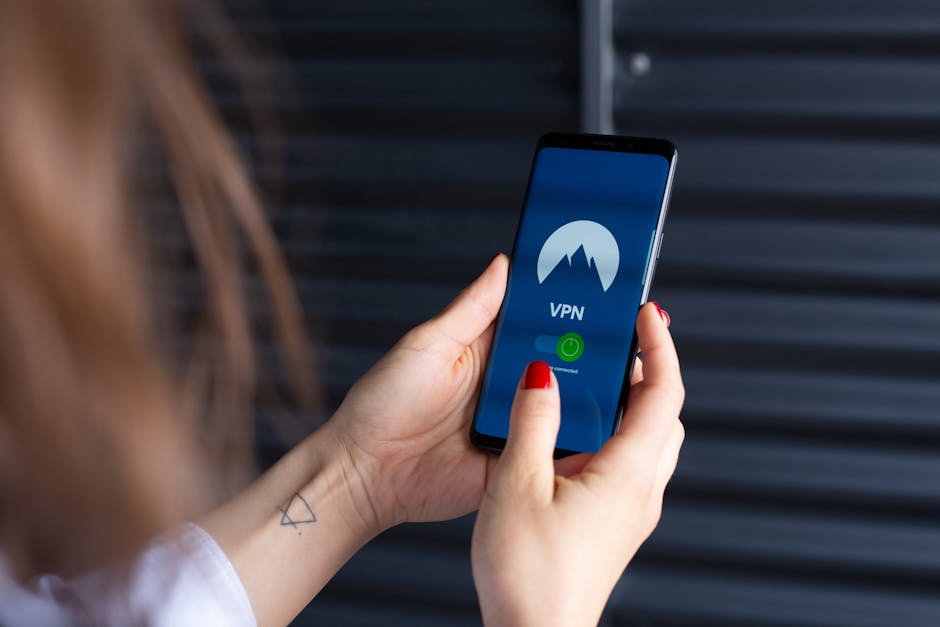
The cornerstone of this defense, as we’ve discussed, is a reliable Virtual Private Network. But simply installing a VPN app isn't enough; you need to integrate it seamlessly into your daily digital routine. Make using your VPN a habit, almost a reflex, every time you connect to the internet, especially when using public Wi-Fi networks which are notorious for their security vulnerabilities. Most reputable VPN services offer an "auto-connect" feature that launches the VPN and connects to a server automatically when your device starts up or detects an internet connection. Enable this feature. Furthermore, ensure the "kill switch" is active. This vital safety net will automatically block your internet traffic if the VPN connection drops unexpectedly, preventing any accidental exposure of your real IP address or unencrypted data. Regularly check your VPN settings to ensure these crucial features remain enabled, as software updates or system changes can sometimes reset them. Consistent and diligent VPN usage is the single most impactful step you can take to immediately shield your internet traffic from your ISP and the data brokers they supply.
Beyond the VPN, consider your browser as another critical frontline in the battle for privacy. Mainstream browsers like Chrome or Edge, while popular, are often deeply integrated with advertising ecosystems that track your activity. Make the switch to a privacy-focused browser such as Mozilla Firefox (with enhanced tracking protection enabled), Brave, or DuckDuckGo's browser. These browsers are built from the ground up with privacy in mind, blocking trackers, ads, and fingerprinting attempts by default. Complement your browser choice with privacy-enhancing extensions. Tools like uBlock Origin block ads and trackers across the web, making your browsing experience cleaner and faster while simultaneously reducing the data points advertisers can collect. Privacy Badger, from the Electronic Frontier Foundation, learns to block invisible trackers dynamically. HTTPS Everywhere ensures that your connection to websites is always encrypted when possible, adding another layer of security against interception. These browser-level adjustments, though seemingly small, collectively make a significant dent in the amount of data collected about your online behavior.
Fortifying Your Digital Perimeters Advanced Privacy Practices
To truly fortify your digital perimeters, you need to extend your privacy practices beyond just a VPN and browser settings, looking at how you interact with other online services. Your choice of search engine, for instance, has a profound impact on the data collected about your queries and interests. Google, while powerful, is notorious for building comprehensive profiles based on your search history. Switch to privacy-focused search engines like DuckDuckGo or Startpage. DuckDuckGo prides itself on not tracking your searches, while Startpage offers Google results anonymously by acting as a proxy. This simple change ensures that your search queries, which often reveal deeply personal interests and concerns, are not logged and linked to your identity, breaking another crucial link in the data broker chain. It's a small adjustment that yields significant privacy dividends, preventing a major source of behavioral data from being fed into the profiling machinery.
Email is another often-overlooked privacy vulnerability. Mainstream email providers like Gmail offer convenience but often come with implicit data collection practices, even if they claim not to "read" your emails for advertising purposes. Consider migrating your sensitive communications to end-to-end encrypted email services like ProtonMail or Tutanota. These providers encrypt your emails at rest and in transit, ensuring that only you and your intended recipient can read them. They also typically operate under strict privacy laws and have strong no-logs policies, making them a far more secure alternative for personal and confidential correspondence. While it might take a little effort to transition, securing your email is paramount, as it's often the central hub for many of your online accounts and a treasure trove of personal information that, if compromised, could lead to identity theft or other serious privacy breaches. Think of your email as your digital passport; you wouldn't want it openly accessible to anyone, would you?
Finally, exercise extreme scrutiny over your social media usage and the apps you install on your devices. Social media platforms are notorious data gatherers, and their privacy settings are often complex and designed to encourage maximum data sharing. Regularly review and restrict the permissions you grant to social media apps and websites. Limit who can see your posts, control ad preferences, and disable location tracking. For apps on your smartphone or tablet, be incredibly mindful of the permissions they request. Does a flashlight app really need access to your contacts or microphone? Probably not. Deny unnecessary permissions. Delete apps you no longer use. Furthermore, remember the adage: "If you're not paying for the product, you are the product." Many "free" online services, from games to productivity tools, monetize their offerings by collecting and selling your data. Be wary of what you download and what information you willingly provide to these services, as every piece of data you surrender contributes to the vast profiles held by data brokers.
A Step-by-Step Guide to Deploying Your Privacy Shield
Let's consolidate these actions into a clear, step-by-step plan to deploy your personal privacy shield and effectively thwart ISP spying and data broker intrusion. This isn't about becoming a digital hermit, but about making informed choices to protect your fundamental right to privacy in an increasingly data-hungry world.
- Choose and Configure Your VPN Wisely:
- Select a Reputable Provider: Research VPNs with a proven no-logs policy (preferably independently audited), strong encryption (AES-256), secure protocols (OpenVPN, WireGuard, IKEv2), and a favorable jurisdiction (outside 5/9/14 Eyes alliances). Examples often include NordVPN, ExpressVPN, ProtonVPN, Surfshark.
- Install on All Devices: Download and install the VPN client on your computer, smartphone, tablet, and consider configuring it on your router for whole-home protection.
- Enable Key Features: Activate the "auto-connect" feature to ensure the VPN is always on. Turn on the "kill switch" to prevent accidental data leaks. Ensure DNS leak protection is enabled.
- Test Your Setup: Use online tools to check for DNS leaks or IP address exposure after connecting to your VPN.
- Upgrade Your Browser and Extensions:
- Switch to a Privacy-Focused Browser: Download and make default a browser like Mozilla Firefox (with strict tracking protection), Brave, or DuckDuckGo's browser.
- Install Essential Extensions: Add uBlock Origin (for ad and tracker blocking), Privacy Badger (for dynamic tracker blocking), and HTTPS Everywhere (for encrypted connections).
- Review Browser Settings: Dive into your browser's privacy and security settings. Disable third-party cookies, block fingerprinting, and clear browsing data regularly.
- Adopt Privacy-Respecting Search and Email:
- Change Your Search Engine: Set DuckDuckGo or Startpage as your default search engine in your new privacy browser.
- Consider Encrypted Email: Explore services like ProtonMail or Tutanota for sensitive communications. Gradually migrate important accounts away from less secure providers.
- Tame Your Mobile Devices and Apps:
- Review App Permissions: On your smartphone or tablet, go through your app settings and revoke unnecessary permissions (e.g., location access for a calculator app).
- Disable Ad Tracking: On iOS, go to Settings > Privacy > Tracking and disable "Allow Apps to Request to Track." On Android, go to Settings > Google > Ads and reset your advertising ID and opt out of Ads Personalization.
- Limit Location Sharing: Set location services to "While Using" or "Never" for most apps.
- Uninstall Unused Apps: Get rid of old apps that might still be collecting data in the background.
- Scrutinize Social Media and Online Accounts:
- Adjust Privacy Settings: Regularly review the privacy settings on all your social media accounts. Limit data sharing, control who sees your posts, and restrict third-party app access.
- Be Mindful of What You Share: Think twice before posting personal information, photos, or opinions that could be used to build a profile or identify you.
- Use Strong, Unique Passwords: Employ a password manager and enable two-factor authentication (2FA) for all critical accounts.
The journey to reclaiming your digital privacy is an ongoing one, a constant dance with ever-evolving surveillance techniques. There will always be new data collection methods, and the battle for online privacy will continue. But by taking these proactive steps, by understanding the threats, and by consistently deploying tools like a robust VPN, you move from being a passive target to an active defender of your digital rights. You regain a sense of control, turning the tables on the invisible watchers and ensuring that your online life remains, as it should be, truly your own. It’s not just about hiding; it’s about empowering yourself to use the internet freely, securely, and without the constant, unsettling feeling that someone else is always watching, always profiling, always ready to monetize your every digital move. Your privacy is a fundamental right, and it's high time we all started fighting to keep it.