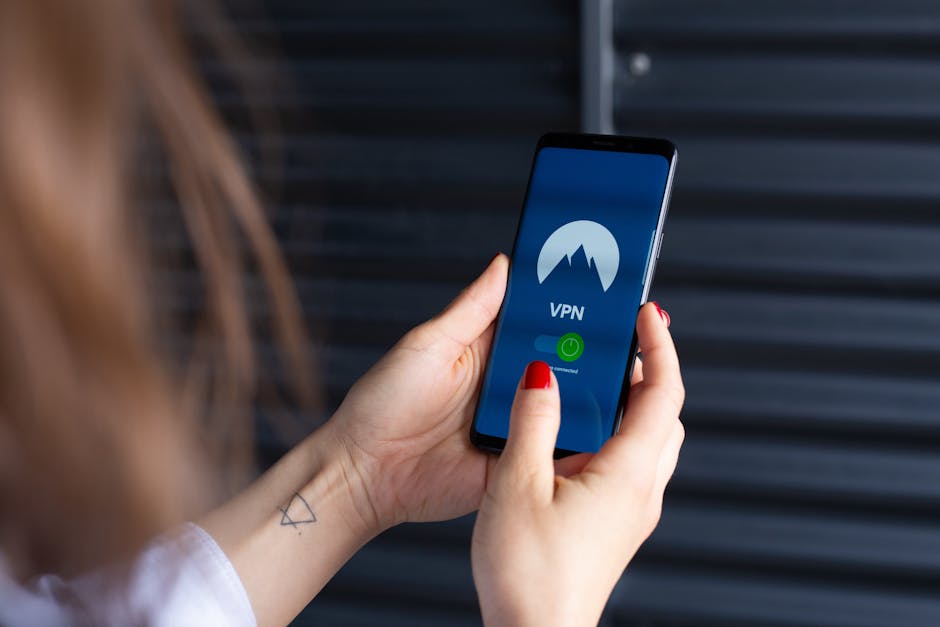
The Core Pillars of VPN Protection: Anonymity and Security
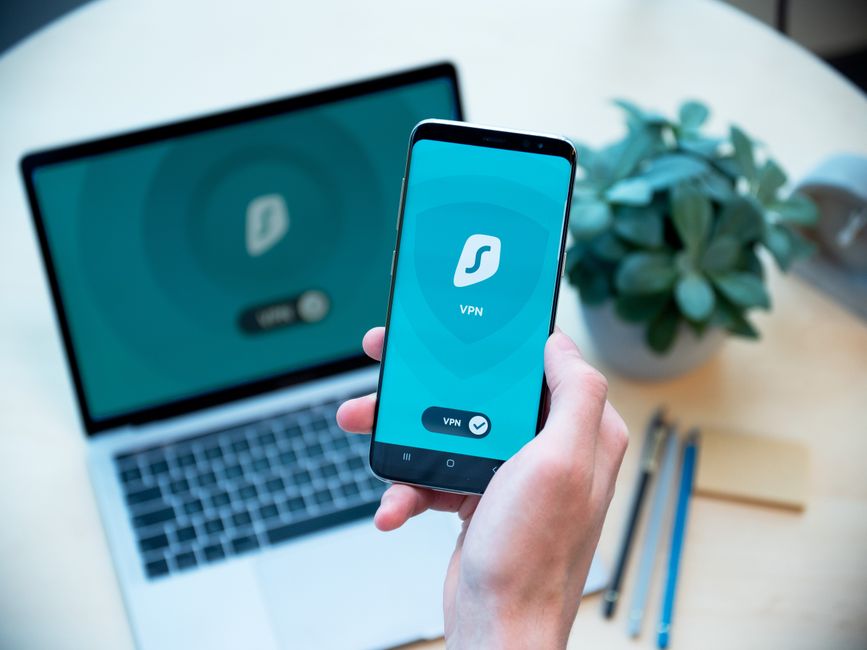
The primary allure of a VPN for privacy-conscious individuals lies in its ability to enhance anonymity and security. By encrypting your internet traffic, a VPN renders your online activities unintelligible to your ISP. This means your ISP can no longer log your browsing history, search queries, or the services you use, a significant win for privacy, especially in regions where ISPs are mandated to retain user data or sell it to third parties. Furthermore, this encryption is a lifesaver on public Wi-Fi networks, which are notorious for their lack of security. Without a VPN, your data on public Wi-Fi is often transmitted unencrypted, making it easy for nearby hackers to intercept sensitive information like login credentials, credit card numbers, or personal messages. A VPN acts as a shield, ensuring that even if a hacker manages to intercept your traffic, all they'll see is garbled, unreadable data.
Beyond encryption, IP masking is crucial. Every website you visit, every online service you use, logs your IP address. This IP address can be used to determine your approximate geographic location, track your browsing habits across different sites, and even link your online activities back to your real identity. By routing your traffic through a VPN server, your real IP address is hidden, and you appear to be browsing from the location of the VPN server. This not only enhances your anonymity but also provides a layer of defense against targeted cyberattacks, as attackers would struggle to pinpoint your actual device. This combination of robust encryption and IP masking transforms your online presence from an open book to a securely sealed envelope, significantly reducing your digital footprint and making it far more difficult for anyone to monitor your activities.
Beyond Privacy: Unlocking the Internet and Bypassing Restrictions
While privacy and security are paramount, a VPN offers additional practical benefits that enhance your overall internet experience. One of the most popular uses is bypassing geo-restrictions. Many streaming services, online content platforms, and even news outlets restrict access to their content based on your geographical location. By connecting to a VPN server in a different country, you can effectively "trick" these services into believing you are located there, granting you access to content that would otherwise be unavailable. This opens up a world of entertainment and information, from watching international Netflix libraries to accessing foreign news broadcasts or sports events.
Furthermore, VPNs can be invaluable for circumventing censorship and bypassing network restrictions. In countries with repressive internet censorship, a VPN can provide a lifeline to the open internet, allowing citizens to access blocked websites, social media platforms, and news sources. Similarly, in workplaces or schools that block certain websites or services, a VPN can help you bypass these restrictions (though be mindful of organizational policies). It's not just about accessing entertainment; it's about preserving the fundamental right to information and free expression in a digitally interconnected world. The ability to choose your virtual location and encrypt your traffic empowers you to experience the internet without arbitrary boundaries, making it a truly global resource once more.
Choosing Your Digital Guardian: What Makes a Good VPN?
Not all VPNs are created equal, and choosing the right one is a critical decision. The market is saturated with providers, some excellent, some mediocre, and some downright dangerous (especially "free" VPNs that often monetize your data or inject ads). When selecting a VPN, several key factors should guide your choice:
- No-Logs Policy: This is paramount. A reputable VPN should have a strict, audited no-logs policy, meaning they do not collect or store any information about your online activities, IP address, or connection timestamps. Look for providers that have undergone independent audits to verify their claims.
- Strong Encryption: Ensure the VPN uses industry-standard, robust encryption protocols like OpenVPN, WireGuard, or IKEv2/IPSec with AES-256 encryption.
- Jurisdiction: The country where the VPN provider is based matters. Opt for providers in privacy-friendly jurisdictions with strong data protection laws, away from the influence of intelligence-sharing alliances (like the 5/9/14 Eyes).
- Server Network and Speed: A large network of servers across many countries offers more options for bypassing geo-restrictions and generally provides better speeds.
- Kill Switch: An essential feature that automatically disconnects your internet if the VPN connection drops, preventing your real IP address from being exposed.
- DNS Leak Protection: Ensures that your DNS requests (which translate website names into IP addresses) are routed through the VPN, preventing your ISP from seeing your browsing activity.
- Pricing and Reputation: Be wary of "free" VPNs. Reputable VPNs require a subscription because running a secure, fast, global network is expensive. Research reviews and track records carefully.
Taming the Wild West of Smart Devices and IoT
Our homes are becoming increasingly intelligent, filled with an ever-growing array of smart devices: voice assistants like Alexa and Google Assistant, smart TVs, security cameras, thermostats, doorbells, light bulbs, and even smart refrigerators. The promise of convenience and automation is compelling, offering seamless integration into our daily lives. Yet, beneath the sleek interfaces and helpful features lies a sprawling network of data collection points, often operating with little transparency or user control. These Internet of Things (IoT) devices, designed to connect to the internet and communicate with each other, represent a significant and often overlooked privacy frontier. They are constantly listening, watching, and reporting, creating a detailed digital mosaic of our most private spaces and habits. The "smart home" can quickly become a "surveillance home" if we're not vigilant, broadcasting intimate details of our lives to manufacturers, advertisers, and potentially, malicious actors.
The privacy implications of IoT devices are profound. A smart speaker records your voice commands and often snippets of background conversation, sending them to cloud servers for processing and analysis. A smart TV tracks your viewing habits, often sharing this data with advertisers. Security cameras, while providing peace of mind, can also be vulnerable to hacking, exposing your home's interior to unauthorized viewers. Even seemingly innocuous devices like smart light bulbs can collect data on your presence and routines. The problem is compounded by the fact that many IoT devices are manufactured with inadequate security features, often using default passwords that are never changed, or containing vulnerabilities that are rarely patched. This creates an inviting target for cybercriminals, who can exploit these weaknesses to gain access to your home network, steal data, or even weaponize your devices in botnet attacks. The convenience factor has, for too long, overshadowed the critical need for robust security and transparent privacy practices in the IoT space.
The Hidden Ears and Eyes in Your Living Room
Let's confront the reality of smart speakers and smart TVs head-on. Your Amazon Echo or Google Home device isn't just waiting for its wake word; it's constantly listening for it. While companies assure us that recordings are only sent to the cloud after the wake word is detected, accidental triggers and the potential for human review of these recordings have been well-documented. These voice snippets, even if anonymized, can reveal a wealth of information about your household: the number of people, their ages, accents, and even emotional states. Similarly, modern smart TVs are often equipped with "Automatic Content Recognition" (ACR) technology, which identifies everything you watch, from broadcast TV to streaming services, and sends this data back to the manufacturer, who then sells it to advertisers. This means your TV isn't just a display; it's a two-way surveillance device reporting on your entertainment choices.
Smart security cameras and video doorbells, while offering legitimate security benefits, pose their own set of privacy challenges. Many of these devices store video footage in the cloud, raising questions about data retention policies, encryption standards, and who has access to that footage. There have been numerous documented cases of smart camera systems being hacked, allowing unauthorized individuals to view live feeds or stored recordings. The default settings on these devices are often designed for maximum convenience, not maximum privacy. This means that out of the box, they might be broadcasting wider fields of view than necessary, or recording continuously rather than just on motion detection. It's crucial to understand that every internet-connected device you bring into your home has the potential to be a data collection point or a security vulnerability, and proactive management is absolutely essential.
Taming Your Tech: Default Settings and Network Segmentation
The first and most critical step in securing your smart devices is to never, ever rely on default settings. This applies to passwords, privacy configurations, and data sharing options.
- Change Default Passwords: If your smart device came with a default username and password (e.g., "admin" and "password"), change it immediately to a strong, unique password generated by your password manager.
- Scrutinize Privacy Settings: Dive deep into the settings of each smart device and its accompanying app. Look for options to disable data sharing, limit microphone/camera access, turn off ACR on smart TVs, and restrict location tracking. If a feature feels intrusive and isn't essential to your use case, turn it off. For voice assistants, regularly review and delete voice recordings stored in the cloud.
- Update Firmware Regularly: Manufacturers often release firmware updates that patch security vulnerabilities. Enable automatic updates or check for them manually to ensure your devices are protected against the latest threats.
- Consider Network Segmentation: For advanced users, creating a separate network for your IoT devices (often called a "guest network" or a dedicated VLAN) can significantly enhance security. This isolates your smart devices from your main home network where your computers, phones, and other sensitive devices reside. If an IoT device is compromised, the attacker would only have access to that isolated network, not your entire digital ecosystem.
- Unplug When Not in Use: For devices like smart cameras or voice assistants that you don't use constantly, consider unplugging them when not needed. This physically prevents them from collecting data or being compromised.
Washing Away Your Digital Footprints and Ghosts
In our increasingly interconnected world, every online interaction, every subscription, every comment, every purchase leaves a trace, contributing to what's known as our "digital footprint." Over years, this footprint can become an expansive and often unwieldy collection of data, scattered across countless websites, databases, and third-party aggregators. This isn't just about the data you actively share; it's also about the passive data collected about you, often without your explicit knowledge. This vast reservoir of information makes you vulnerable to identity theft, targeted scams, and persistent unwanted marketing. Furthermore, old, unused accounts become "digital ghosts," dormant but potentially vulnerable points of entry for hackers, especially if they were created with weak or reused passwords. Cleaning up your digital footprint is an ongoing, essential privacy tweak that involves proactive steps to minimize your online presence and reclaim control over your historical data.
The sheer scale of data collection is staggering. Data brokers, for instance, are companies whose sole business model is to collect, aggregate, and sell personal information about individuals. They gather data from public records, social media, online purchases, browsing history, and even offline sources, compiling incredibly detailed profiles that can include your income, marital status, political affiliations, health conditions, and even your hobbies. This data is then sold to advertisers, marketers, insurance companies, and even governments. While some data brokers offer opt-out mechanisms, the process is often deliberately complex and time-consuming, requiring individual requests to dozens of different entities. The challenge lies not just in stopping new data collection, but in actively working to erase or modify the data that already exists about you across the internet, a task that requires persistence and a strategic approach.