Smart Devices, Silent Spies – How Your Connected Home Becomes a Data Mine
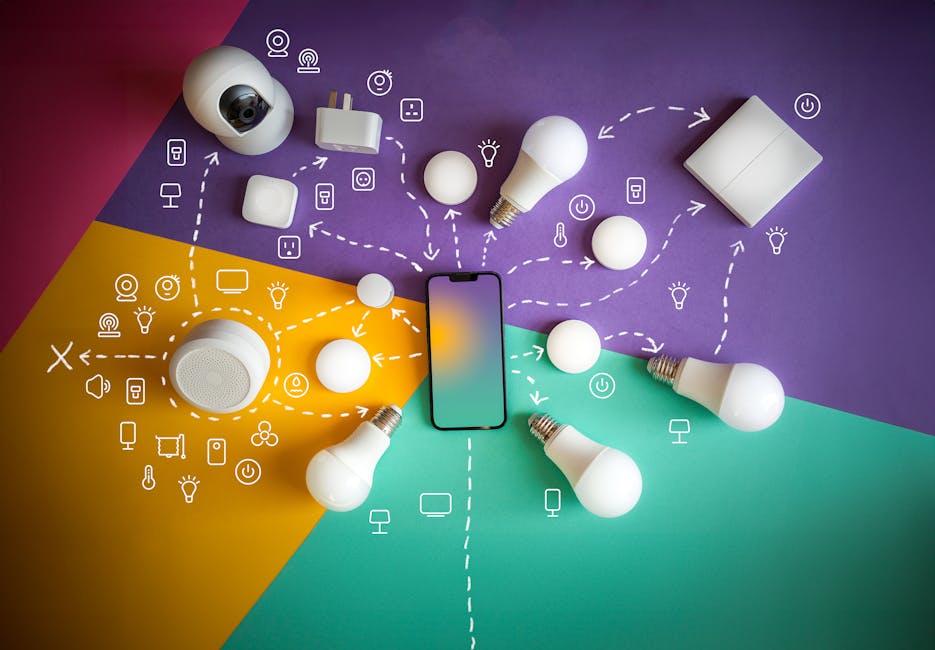
The allure of the smart home is undeniable: lights that respond to your voice, thermostats that learn your preferences, security cameras that offer peace of mind, and refrigerators that tell you when you're low on milk. The Internet of Things (IoT) promises a future of seamless convenience and effortless living, transforming our residences into intelligent, responsive environments. However, beneath this veneer of technological marvel lies a less advertised truth: almost every smart device you bring into your home is a potential data collection point, diligently observing, listening, and recording your habits, preferences, and even your most private moments. These devices, from smart speakers and TVs to baby monitors and connected appliances, are not just performing their advertised functions; they are silently gathering a wealth of granular information about your life, which, much like data from apps and websites, can be aggregated, analyzed, and ultimately monetized by their manufacturers and a host of third-party partners.
Consider the ubiquitous smart speaker, like Amazon Echo or Google Home. These devices are designed to be always-on, constantly listening for their wake word. While companies assure us that recordings are only sent to the cloud after the wake word is detected, numerous incidents have revealed that these devices can and do record snippets of conversations unintentionally, and sometimes even intentionally, that are then stored and potentially reviewed by human contractors for "quality improvement." This means that private conversations, personal opinions, and sensitive information shared within the supposed sanctuary of your home could be inadvertently captured and processed. Furthermore, even without direct voice recordings, these devices collect data on your requests, your music preferences, your shopping lists, and your daily routines, building a comprehensive profile of your lifestyle that is incredibly valuable for targeted advertising and market research.
Smart TVs are another prime example of silent data harvesting. Far from being mere display panels, modern smart TVs are sophisticated computers equipped with microphones, cameras, and internet connectivity. Their terms of service often grant them broad rights to collect data on your viewing habits, the apps you use, your location, and even what you say within earshot of the TV's microphone. This viewing data, often aggregated and anonymized, is then sold to advertisers and content providers, allowing them to better understand audience preferences and deliver hyper-targeted commercials. Remember the controversy surrounding Vizio smart TVs, which were found to be collecting detailed viewing data from millions of customers without their explicit consent and selling it to data brokers? This wasn't an isolated incident; it's a common practice across the industry, turning your entertainment hub into a surveillance device that monitors your leisure time for profit.
The Pervasive Reach of Connected Devices and Their Data Trails
The data collection doesn't stop with speakers and TVs. Smart security cameras and video doorbells, while offering legitimate security benefits, are essentially always-on surveillance systems that record activity in and around your home. The video feeds and audio recordings, often stored in the cloud, can be accessed by the device manufacturer, and in some cases, shared with law enforcement or third-party researchers under certain conditions. Smart thermostats learn your daily schedule and climate preferences, smart vacuums map the layout of your home, and even smart light bulbs can track your presence and usage patterns. Wearable fitness trackers monitor your heart rate, sleep patterns, and activity levels, compiling incredibly intimate health data that, while useful for personal wellness, also represents a goldmine for health insurance companies, pharmaceutical research, and targeted wellness product advertising.
The terms of service for these IoT devices are often lengthy, complex, and written in legalese, making it nearly impossible for the average consumer to fully grasp the extent of data collection and sharing they are agreeing to. Companies strategically bury broad data collection clauses within these documents, ensuring they have the legal right to harvest and monetize your information. This lack of transparency, combined with the "set it and forget it" nature of many smart devices, means that consumers are often unknowingly consenting to a continuous stream of personal data being siphoned from their homes. The convenience factor often overshadows any privacy concerns, as users prioritize ease of use over the potential for surveillance and data exploitation.
Furthermore, the security of many IoT devices is notoriously weak. Manufacturers often prioritize speed to market and low cost over robust security features, leaving devices vulnerable to hacking. A compromised smart device can become an entry point for cybercriminals into your home network, allowing them to access other devices, steal sensitive data, or even conduct surveillance. There have been numerous reports of smart cameras being hacked, baby monitors being taken over, and even smart locks being exploited. When a device that collects intimate data about your life is also insecure, the risks multiply, turning a seemingly innocuous gadget into a serious privacy and security liability. The promise of a connected future often overlooks the fundamental need for a secure and private foundation, leaving consumers exposed to both corporate data harvesting and malicious cyberattacks.
"Your smart home isn't just about convenience; it's an intricate web of sensors and microphones reporting back to corporate servers. We've invited an army of digital spies into our most private spaces, trading autonomy for automation." – A digital privacy advocate's warning.
The pervasive nature of IoT data collection means that even if you're careful with your phone and computer, your home itself could be a major source of personal information being sold. Reclaiming control requires a critical evaluation of every smart device you own or consider purchasing. Understanding what data each device collects, scrutinizing its privacy policy, and actively managing its settings are crucial steps. It's about making informed choices, weighing the convenience against the privacy cost, and demanding greater transparency and security from manufacturers. Otherwise, our homes, once sanctuaries of privacy, risk becoming open-air data mines, constantly broadcasting the intimate details of our lives to anyone willing to pay for the signal.