Your Employer, Your Health, Their Hidden Data Deals – Unmasking Corporate Information Sharing
The realm of data sharing and selling extends far beyond the digital marketplaces of apps and data brokers, reaching into areas of our lives we might consider sacrosanct: our workplaces and our healthcare. It might come as a surprise to many, but the data generated through our employment and our interactions with the healthcare system, often considered private and protected, is increasingly being collected, analyzed, and sometimes even shared or sold. This isn't always about direct, identifiable sales; often, it involves the aggregation and "de-identification" of data for research, actuarial analysis, or corporate wellness programs, blurring the lines between legitimate use and privacy infringement. The implications for individuals are profound, potentially impacting everything from career advancement and insurance premiums to personal autonomy and the very definition of privacy in modern society.
Let's first delve into the workplace. Employers, for legitimate operational reasons, collect a vast amount of data on their employees. This includes performance metrics, email and communication logs (especially on company devices), browsing history on company networks, and even physical location data if company-issued devices are tracked. While much of this is intended for productivity monitoring or security, the boundaries can quickly become murky. Some companies go further, implementing "wellness programs" that encourage employees to share data from fitness trackers, smartwatches, or even genetic testing kits, often in exchange for incentives like lower health insurance premiums. While participation is typically voluntary, the pressure to conform and the financial incentives can make it feel anything but. This data, once collected, can be aggregated and analyzed, sometimes even shared with third-party vendors who specialize in workforce analytics or corporate wellness, creating detailed profiles of employee health, habits, and even potential risks.
The potential for this employer-collected data to be monetized, even indirectly, is growing. For instance, aggregated, anonymized data on employee health trends or productivity patterns could be valuable to insurance providers looking to assess risk for group policies, or to consultants advising on workforce management. While direct sale of identifiable employee data is generally illegal and ethically fraught, the "de-identification" of data opens avenues for sharing and analysis that can still have implications for individuals. For example, if a company's aggregate health data suggests a high incidence of a particular condition, it could influence future insurance negotiations, potentially leading to higher premiums for all employees, or even subtly influence hiring practices, even if individual data points are not directly tied to specific people. The rise of surveillance software for remote workers further intensifies this, monitoring keystrokes, mouse movements, and even webcam feeds, all contributing to a vast data pool that can be analyzed and leveraged in various ways.
The Sensitive World of Healthcare Data and Its Hidden Market
Perhaps no area of data is as sensitive and personal as healthcare information. Your Electronic Health Records (EHRs) contain a comprehensive history of your diagnoses, treatments, medications, test results, and family medical history. While HIPAA (Health Insurance Portability and Accountability Act) in the U.S. and GDPR in Europe provide strong protections against the unauthorized sharing of identifiable health information, the reality is far more complex. De-identified health data, stripped of direct identifiers, is a hugely valuable commodity for pharmaceutical companies, medical researchers, and health technology firms. This data helps in developing new drugs, understanding disease patterns, and improving treatment protocols, often for the greater good. However, the line between "de-identified" and "re-identifiable" is increasingly thin, with numerous studies demonstrating that even seemingly anonymous health data can often be linked back to individuals, especially when combined with other publicly available information.
Beyond traditional EHRs, the explosion of consumer health devices and services adds another layer of complexity. Fitness trackers, mental wellness apps, genetic testing services (like 23andMe or AncestryDNA), and even fertility tracking apps collect incredibly intimate details about our physical and mental well-being, our genetic predispositions, and our reproductive health. The terms of service for these companies often grant them broad rights to use and share aggregated or de-identified data for research, product development, and even commercial partnerships. While many of these companies emphasize their commitment to privacy, the financial incentives to leverage this data are immense. Imagine the value of a comprehensive database of genetic predispositions linked to lifestyle data – it's a goldmine for targeted advertising of health products, personalized insurance offers, or even discriminatory practices if the data were ever to be re-identified and misused.
The ethical dilemmas here are profound. While medical research and public health initiatives undoubtedly benefit from access to large datasets, the potential for misuse, re-identification, and the erosion of individual autonomy is a constant threat. The sale of de-identified data, while often legal, operates in a grey area where individuals have little to no control over how their most sensitive information is used, even if it's not directly attributed to them. The very concept of "anonymity" is being challenged by advanced data analytics, making it increasingly difficult to ensure that personal data, once released, cannot be pieced back together to reveal individual identities. This calls for a much more robust regulatory framework and greater transparency from all entities that handle health and employment data, ensuring that the benefits of data sharing do not come at the expense of fundamental human rights to privacy and dignity.
"Our health data and workplace records are not just administrative details; they are the intimate blueprints of our lives. When these are harvested, even under the guise of anonymity, we risk losing control over our narratives and facing unforeseen consequences." – A bioethicist's concern.
Understanding these hidden data deals within employment and healthcare is crucial for individuals to advocate for their rights. It means scrutinizing employer policies, understanding the privacy implications of wellness programs, and meticulously reviewing the terms and conditions of any health-related app or service. It's about recognizing that every piece of information we generate, even in seemingly protected spheres, contributes to a larger data ecosystem that can be exploited. Empowering ourselves with knowledge and demanding greater transparency and control over our data in these critical areas is a vital step toward safeguarding our most personal information from being silently sold and leveraged against our best interests.
Reclaiming Your Digital Sovereignty: Practical Steps to Halt the Sale Instantly
The pervasive, often clandestine, sale of your personal data might feel like an insurmountable problem, a vast, invisible machine that grinds on regardless of individual will. But despair not. While the digital landscape is indeed complex, you possess far more agency than you might realize. Taking back control of your digital life, or at least significantly reducing the amount of data you leak, is entirely possible. It requires a shift in mindset, a dose of proactive vigilance, and the adoption of some powerful tools and practices. Think of it not as an instant fix, but as a continuous journey of digital hygiene, much like maintaining your physical health. By implementing a series of strategic steps, you can drastically diminish your digital footprint, make yourself less attractive to data brokers, and significantly improve your overall online privacy and security.
Fortify Your Browser and Online Activity
Your web browser is the primary gateway to the internet, and by default, it's often a leaky sieve. The good news is, you can plug many of those holes. Start by ditching default browsers like Chrome or Edge for more privacy-focused alternatives such as Brave, Firefox Focus, or Tor Browser. These browsers often come with built-in ad and tracker blockers, or they are designed from the ground up to minimize data collection. Next, install powerful browser extensions like Ghostery, Privacy Badger, or uBlock Origin. These tools actively block third-party trackers, cookies, and ads that follow you across the web, preventing countless data points from being collected. Regularly clear your browser's cookies and cache, or configure your browser to do so automatically upon exit. Furthermore, consider using a privacy-focused search engine like DuckDuckGo or Brave Search, which do not track your search queries or build user profiles. These simple changes can dramatically reduce the amount of browsing data available for sale.
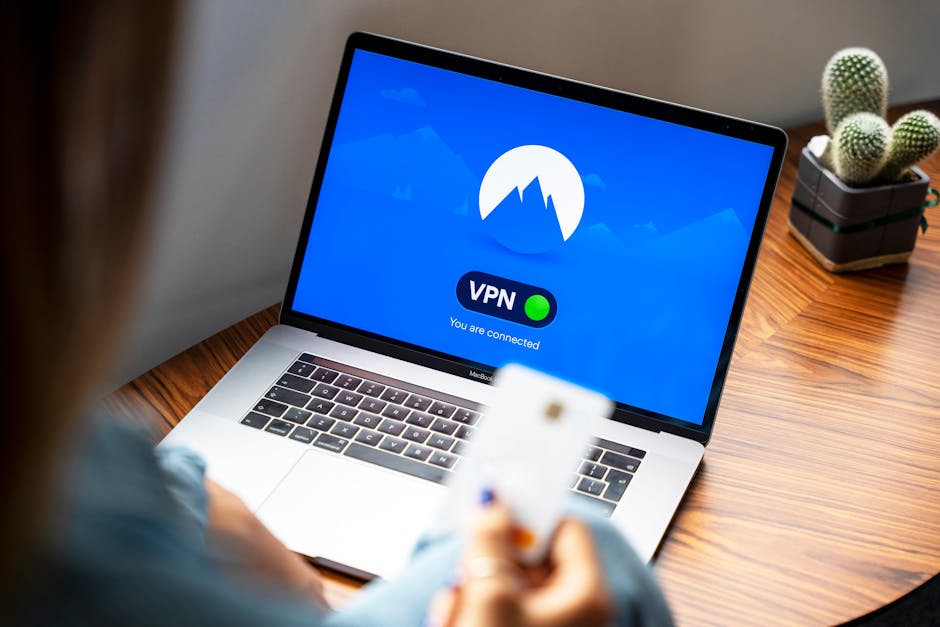
Perhaps the single most impactful step you can take to shield your online activity is to use a reputable Virtual Private Network (VPN). A VPN encrypts your internet traffic and routes it through a server operated by the VPN provider, effectively masking your real IP address and making your online activity much harder to trace back to you. When you connect to a VPN, your internet service provider (ISP) can no longer see the websites you visit or the data you transmit, preventing them from selling your browsing habits. Similarly, websites and advertisers will see the VPN server's IP address, not yours, significantly hampering their ability to build a persistent profile of your online behavior. Look for VPNs with a strict no-logs policy, strong encryption standards, and a proven track record of protecting user privacy. This isn't just about hiding from data brokers; it's about securing your connection on public Wi-Fi, bypassing geo-restrictions, and adding a crucial layer of anonymity to almost everything you do online. It's a foundational tool for anyone serious about digital privacy.
Conduct an App Audit and Permission Purge
Your smartphone is a goldmine of personal data, largely due to the apps you install. It's time for a digital decluttering. Go through every app on your phone and ask yourself: "Do I really need this?" If the answer is no, delete it. For the apps you keep, meticulously review their permissions. Does a simple photo editor truly need access to your microphone, contacts, or precise location? Absolutely not. Revoke unnecessary permissions immediately. Both Android and iOS offer granular controls for app permissions in your device settings. Be particularly wary of apps that request access to your camera, microphone, location, and contacts – these are the most sensitive data points. Regularly check these permissions, as app updates can sometimes reset or add new requests. Opt out of personalized ads within your device settings (e.g., "Limit Ad Tracking" on iOS or "Opt out of Ads Personalization" on Android), which can restrict how ad networks use your device identifiers. By being selective about what apps you install and ruthless about managing their permissions, you sever many of the data pipelines emanating from your mobile devices.
Secure Your Accounts and Monitor for Breaches
Even with the best privacy practices, data breaches are an unfortunate reality. Your best defense is to prepare for them and mitigate their impact. The golden rule of online security is to use strong, unique passwords for every single online account. Never reuse passwords. This is where a password manager becomes indispensable. Tools like LastPass, 1Password, or Bitwarden generate and securely store complex passwords for you, ensuring that if one service is breached, your other accounts remain secure. Enable two-factor authentication (2FA) on every account that supports it, especially for email, banking, and social media. 2FA adds an extra layer of security, typically requiring a code from your phone in addition to your password, making it much harder for criminals to access your accounts even if they steal your credentials. Regularly check services like Have I Been Pwned? to see if your email addresses or phone numbers have appeared in known data breaches. If they have, change your password for those accounts immediately.
Beyond individual account security, consider freezing your credit with all three major credit bureaus (Equifax, Experian, TransUnion). A credit freeze prevents new credit accounts from being opened in your name, which is a powerful deterrent against identity theft. While it might slightly inconvenience you if you need to apply for new credit, the peace of mind it offers is invaluable. Regularly review your financial statements and credit reports for any suspicious activity. Many banks offer free credit monitoring services, and you are entitled to a free credit report from each bureau annually. Proactive monitoring allows you to detect and respond to fraudulent activity quickly, minimizing potential damage. Remember, the goal isn't just to prevent data from being sold, but to prevent its malicious exploitation when it inevitably leaks.
Tame Your Smart Home and Connected Devices
Your smart devices, while convenient, are potent data collectors. Take control by reviewing the privacy settings of every IoT device you own. For smart speakers, consider muting the microphone when not in use or opting out of human review programs. For smart TVs, disable "smart interactive features" or "content recognition" settings, which are often responsible for collecting viewing data. When setting up new devices, always choose the most privacy-preserving options. Consider if a device truly needs internet connectivity; some smart devices can function locally without constant cloud communication. If a device offers no clear privacy controls or has a dubious privacy policy, reconsider its place in your home. For devices like smart cameras or baby monitors, ensure they are protected by strong, unique passwords (not the default ones!) and that their firmware is regularly updated to patch security vulnerabilities. If you're not actively using a smart device, consider unplugging it. The less data these devices collect, the less there is to potentially be sold or exploited.
Understand and Exercise Your Data Rights
Laws like the General Data Protection Regulation (GDPR) in Europe and the California Consumer Privacy Act (CCPA) in the United States grant individuals significant rights over their personal data. These rights include the ability to request access to your data, correct inaccuracies, and, crucially, to request that your data not be sold or even be deleted. While these laws don't cover everyone globally, many companies apply these principles more broadly. Look for "Do Not Sell My Personal Information" links on company websites, especially for businesses operating in California. You can also send formal data subject access requests (DSARs) to companies to inquire about what data they hold on you. While this can be a time-consuming process, it's a powerful way to exercise your rights and force companies to be accountable. Additionally, you can proactively contact major data brokers (like Acxiom, Experian, Oracle, Epsilon, etc.) and formally request that they remove your information from their databases. Many have opt-out processes, though they can be cumbersome and may require repeated efforts. Persistence is key in navigating these often-opaque systems.
Embrace Advocacy and Continuous Learning
Finally, recognize that individual action, while powerful, is part of a larger movement. Support organizations that advocate for stronger privacy laws and consumer rights. Educate your friends and family about the importance of digital privacy. Stay informed about new privacy threats and technological developments. The landscape of data collection and selling is constantly evolving, and continuous learning is your best defense. By adopting these practical steps, you're not just protecting yourself; you're contributing to a broader culture of privacy awareness and demanding a more respectful and ethical digital future. Reclaiming your digital sovereignty isn't an overnight task; it's a commitment to vigilance, informed choice, and the unwavering belief that your personal data belongs to you, and you alone.