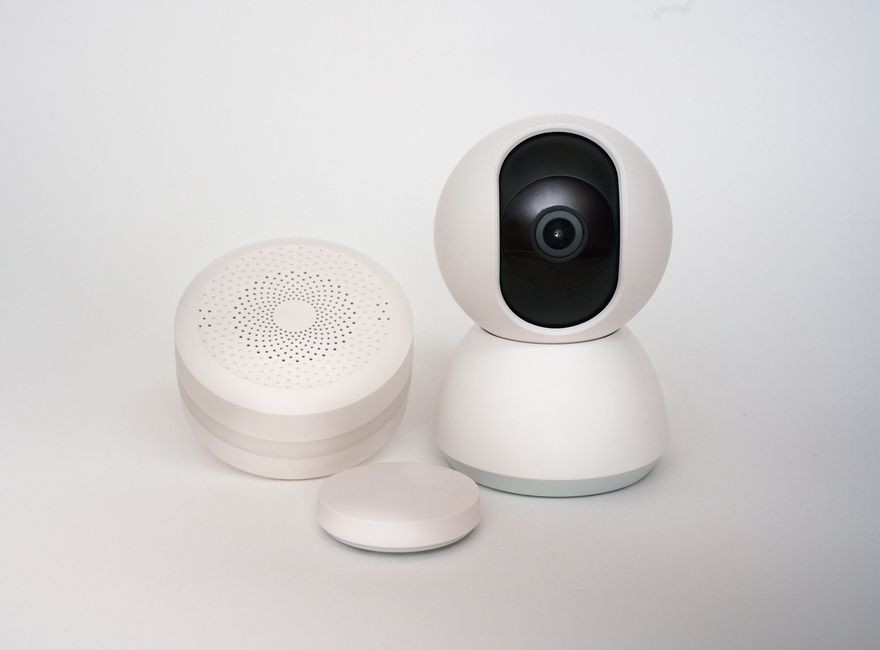
As we navigate the increasingly dense thicket of smart devices and their persistent data collection, it becomes imperative to confront the inherent risks and profound consequences that arise from such pervasive surveillance. This isn't just an abstract concern for the privacy-conscious; it touches upon fundamental aspects of our security, our autonomy, and even our societal structures. The continuous stream of personal information harvested by the AI Eye, while promising convenience, simultaneously opens doors to a multitude of dangers, ranging from the immediate threat of data breaches to the more insidious long-term impacts on individual freedom and democratic processes. It's a trade-off many of us have implicitly accepted, but one whose true cost is only now beginning to reveal itself in stark and often unsettling ways.
The Ever-Present Threat of Data Breaches and Identity Theft
One of the most immediate and palpable risks associated with the constant collection of personal data by smart devices is the vulnerability to data breaches. No system is entirely impregnable, and the more data that is collected and stored, especially on centralized cloud servers, the larger and more tempting a target it becomes for malicious actors. When a smart device manufacturer or a third-party service provider suffers a breach, the consequences for individuals can be devastating. Imagine your smart home security camera footage, your conversations recorded by a smart speaker, or your intimate health data from a wearable falling into the wrong hands. This isn't merely hypothetical; we've seen numerous high-profile incidents where sensitive user data from smart devices has been exposed, leading to widespread anxiety and potential harm.
The implications of such breaches extend far beyond a simple inconvenience. Compromised smart device data can be a goldmine for identity thieves. If hackers gain access to your location history, daily routines, financial habits (inferred from smart purchases), or even biometric data (like fingerprints or facial scans used for device unlock), they can piece together enough information to impersonate you, open fraudulent accounts, or gain unauthorized access to other sensitive online services. The highly personal nature of smart device data means that breaches can be particularly damaging, revealing not just superficial details but intimate aspects of your life that could be used for blackmail, targeted scams, or even physical harassment. For instance, knowing when you're typically away from home, gleaned from your smart thermostat or security camera, could make your residence a prime target for burglaries. The very convenience offered by these devices can, paradoxically, become a direct vector for increased personal risk, turning our homes into data-rich targets for those with malicious intent.
Furthermore, the interconnected nature of the smart home ecosystem exacerbates these risks. A vulnerability in one device can potentially compromise the entire network. If a hacker gains access to your smart light bulbs through a weak password or an unpatched vulnerability, they might then be able to pivot to other, more sensitive devices on your home network, such as your smart security camera or even your computer. This "lateral movement" within a compromised network is a classic attack vector for cybercriminals. The proliferation of IoT devices, many of which are designed with security as an afterthought rather than a core principle, creates a vast attack surface that is constantly expanding. Consumers often lack the technical expertise or the time to adequately secure every single smart device they own, leaving them reliant on manufacturers for robust security updates and privacy-by-design principles, which are unfortunately not always prioritized in a race to market. The sheer complexity of managing security across dozens of interconnected devices means that many homes are, unknowingly, riddled with potential entry points for those looking to exploit our digital vulnerabilities.
Privacy Erosion and the Chilling Effect on Free Expression
Beyond the immediate threat of breaches, the constant surveillance facilitated by the AI Eye fundamentally erodes our sense of privacy. Privacy is not merely about keeping secrets; it’s about the power to control who knows what about us, the ability to define our boundaries, and the freedom to be ourselves without constant observation. When every conversation, every movement, every health metric is potentially being recorded and analyzed, that sense of privacy diminishes, replaced by an unsettling awareness of being perpetually watched. This erosion isn't just a feeling; it has tangible psychological and social consequences. It can lead to a phenomenon known as the "chilling effect," where individuals, aware of being monitored, self-censor their thoughts, expressions, and behaviors. If you know your smart speaker might be listening, are you truly free to speak your mind, to explore controversial ideas, or to engage in candid conversations without fear of judgment or future repercussions?
This chilling effect can have profound implications for free expression and intellectual autonomy. In a world where every utterance and interaction can be logged and analyzed, individuals might become less willing to express dissenting opinions, explore unconventional ideas, or engage in activities that could be misinterpreted or used against them in the future. Imagine a future where your smart home data is subpoenaed in a legal dispute, or where your health insurance premiums are adjusted based on your activity levels as reported by your wearable, or where a potential employer reviews your smart device data to assess your habits. These scenarios, once confined to speculative fiction, are becoming increasingly plausible as the AI Eye grows sharper and more deeply integrated into our lives. The constant awareness of being observed can subtly, yet powerfully, shape our behavior, leading us to conform to perceived norms rather than truly exercise our freedoms, thereby diminishing the richness and diversity of human experience.
"The insidious nature of modern surveillance isn't about grand conspiracies; it's about the gradual, almost imperceptible erosion of our private spaces. When every corner of our lives becomes a data point, we lose the sanctuary of unobserved thought and action. This loss isn't just personal; it diminishes the very fabric of a free society, where the ability to think, speak, and act without constant scrutiny is paramount." This poignant reflection from a hypothetical privacy advocate underscores the broader societal implications of pervasive smart device surveillance. It's a slow burn, not an explosion, but the cumulative effect on individual autonomy and societal norms can be devastating, leading to a world where genuine privacy becomes a luxury few can afford, or even comprehend.
Beyond self-censorship, the vast datasets collected by the AI Eye also open avenues for discrimination and manipulation. Algorithms, while often presented as objective, are only as unbiased as the data they are trained on and the humans who design them. If data reflects societal biases, the AI can perpetuate and even amplify those biases. For example, if a smart camera’s facial recognition system is less accurate for certain demographics, it could lead to discriminatory outcomes in security or law enforcement applications. Furthermore, the granular insights into our behaviors and vulnerabilities can be exploited for targeted manipulation, whether through highly persuasive political advertising designed to exploit emotional triggers or through predatory marketing tactics aimed at vulnerable populations. The ability of AI to predict our choices and influence our decisions, often subconsciously, represents a profound shift in power dynamics, granting unprecedented control to corporations and governments over the populace. The risks of the AI Eye are therefore not just about data loss; they are about the potential for a fundamental reordering of power, where individual agency is subtly, yet systematically, undermined by the relentless pursuit of data and its predictive power.