For decades, the television has been the undisputed focal point of our living rooms, a source of entertainment, information, and shared family moments. But the 'smart' revolution has transformed this seemingly innocuous appliance into a sophisticated data collection device, often without our full awareness or consent. Modern Smart TVs, from popular brands like Samsung, LG, Roku, and Android TV, are much more than just displays; they are powerful computers connected to the internet, running operating systems and apps, and equipped with an array of sensors and software designed to monitor your viewing habits and interactions. The promise is enhanced functionality: personalized recommendations, seamless streaming, and integrated voice control. However, the reality is a pervasive system of data extraction, where your television is diligently collecting information about every show you watch, every app you use, every ad you skip, and even the sounds it picks up from your home. This transformation from a simple display device to an active data collector represents a significant privacy shift, turning the familiar 'idiot box' into an intelligent, always-on observer, compiling a detailed dossier on your entertainment preferences and, by extension, your lifestyle, all without you necessarily realizing the full extent of this digital surveillance embedded within your primary source of home entertainment.
The primary mechanism for this extensive data collection is a technology known as Automatic Content Recognition, or ACR. ACR is a sophisticated software embedded directly into your Smart TV that identifies what you're watching, regardless of the source. Whether you're streaming content from Netflix, watching cable TV, playing a video game on a console, or even playing a DVD, ACR technology analyzes the pixels and audio to recognize the specific show, movie, or advertisement. This data, including timestamps and viewing duration, is then sent back to the TV manufacturer and often shared with third-party data brokers. The purpose, as companies often state, is to improve personalized recommendations and deliver more relevant advertising. However, the scope of this data collection is incredibly granular, allowing companies to build comprehensive profiles of your viewing habits, your interests, and even your household demographics. It's not just about knowing you watch action movies; it's about knowing you watched a specific action movie at a specific time, how long you watched it for, and what other content you consumed around that period. This level of detail is a goldmine for advertisers and market researchers, transforming your private viewing habits into a valuable commodity, subtly shifting the economic model of television from a product you buy to a platform that collects and monetizes your attention and data, making you, the viewer, an unwitting contributor to a vast data ecosystem, where your entertainment choices are meticulously logged and analyzed.
The Picture Box That Watches Back
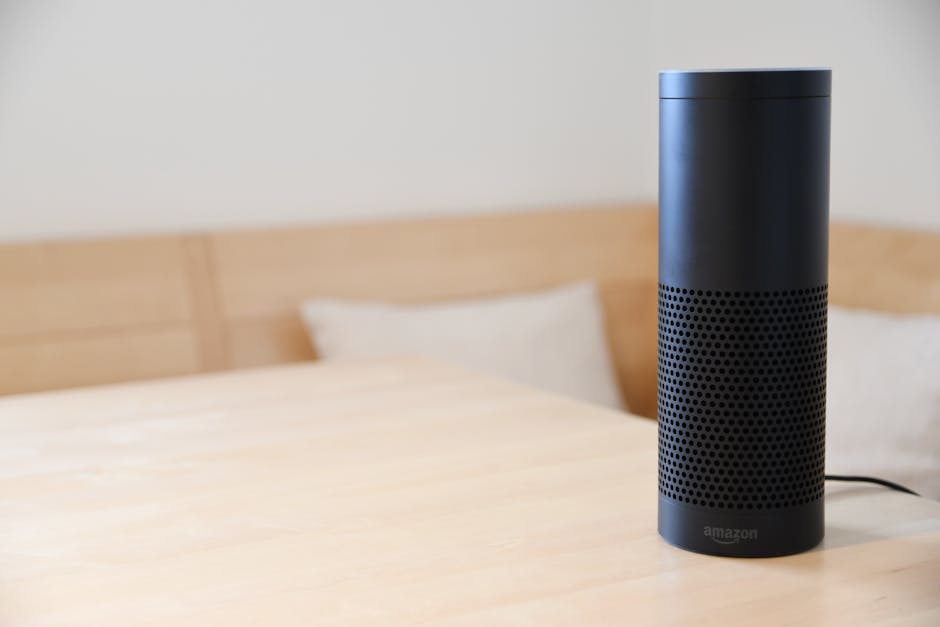
Beyond ACR, many Smart TVs and their accompanying remote controls are equipped with microphones, primarily for voice search and voice command functionalities. While convenient, these microphones introduce a similar 'always-listening' dilemma as smart speakers. Although they are generally designed to only activate upon a specific command or button press, the potential for accidental activation or malicious exploitation remains a significant concern. Samsung, for instance, famously included a warning in its Smart TV privacy policy stating, "Please be aware that if your spoken words include personal or other sensitive information, that information will be among the data captured and transmitted to a third party through your use of Voice Recognition." This stark warning highlighted the inherent risk: your private conversations, if inadvertently picked up by the TV's microphone, could be sent to corporate servers and potentially accessed by third parties. While manufacturers typically claim these recordings are used to improve voice recognition and are anonymized, the possibility of human review, accidental transmission, or data breaches looms large, turning your television into yet another potential eavesdropping device in your home, one that sits prominently in your main communal area, passively listening, or actively recording, your most private discussions and interactions, further eroding the sanctity of your personal space.
The data collected by Smart TVs extends beyond viewing habits and voice commands to encompass a broader spectrum of your digital life. These TVs are essentially large tablets, running apps for streaming services, web browsers, and games. This means they can collect data on your app usage, your browsing history, your search queries, and even metadata about other devices connected to your home network. Many Smart TVs also come with unique device identifiers that can be used to track your activity across different platforms and services, linking your TV viewing habits to your online browsing behavior on other devices. This creates an incredibly comprehensive profile, allowing companies to infer your interests, your demographics, and even your purchasing intent with remarkable accuracy. This data is then used not only for targeted advertising on your TV screen but also across your other devices, creating a seamless, cross-platform surveillance experience. The convenience of an all-in-one entertainment hub comes at the cost of a pervasive data collection apparatus that monitors virtually every aspect of your digital engagement within your home, transforming your living room into a sophisticated data mine, where your every digital interaction is meticulously logged and analyzed for commercial gain.
The history of Smart TV data collection is replete with controversies and fines, underscoring the aggressive nature of these practices. One of the most infamous cases involved Vizio, a prominent Smart TV manufacturer. In 2017, the U.S. Federal Trade Commission (FTC) and the State of New Jersey fined Vizio $2.2 million for secretly collecting viewing data from millions of Smart TVs without consumers' knowledge or consent. Vizio's ACR technology collected second-by-second data on what was displayed on the screen, including content from external devices like DVD players and game consoles, and then sold this data to third-party advertisers and data brokers. The company even retroactively collected data from older, non-smart TVs that it had updated with new software. This case served as a stark example of the extent to which manufacturers are willing to go to monetize user data, often prioritizing profit over privacy and transparency. It revealed that the "free" aspect of many smart features is often subsidized by the value of your personal information, turning your television into a surveillance device that secretly profits from your viewing habits, fundamentally betraying the trust consumers place in these products, making every show you watch a data point for corporate exploitation.
ACR and the Invisible Hand of Data Brokers
The Automatic Content Recognition (ACR) technology embedded in Smart TVs represents one of the most powerful and invasive forms of passive data collection in our homes. It's not just about recognizing a specific show; it's about identifying the precise content being displayed, down to individual frames and commercials. This granular data allows companies to understand not only what you watch but also how long you watch it, whether you skip commercials, and how your viewing habits change over time. This information is then meticulously packaged and sold to data brokers, advertising agencies, and market research firms. These third parties use ACR data to refine their targeted advertising strategies, measure the effectiveness of ad campaigns, and gain insights into consumer behavior. Imagine an advertiser knowing precisely which households watched their commercial, how long they watched it, and what other content those households consume. This level of insight is incredibly valuable, allowing for unprecedented personalization of advertising, often without the consumer ever realizing their viewing habits are being continuously monitored and monetized. The invisible hand of data brokers is constantly at work, transforming your private entertainment into a lucrative stream of actionable market intelligence, fundamentally altering the traditional relationship between viewer and content, making every viewing session a data collection event, enriching a vast ecosystem of information peddlers.
The "free TV" model, or rather, the increasingly affordable price point of Smart TVs, is often directly subsidized by this data collection. Manufacturers can sell their TVs at lower margins, or even at a loss, knowing that they can generate significant recurring revenue from the data harvested from their devices. This creates a perverse incentive structure: the more data a TV collects, the more valuable it becomes to the manufacturer. This economic reality means that privacy-enhancing features, or the option to fully disable ACR and other tracking mechanisms, are often difficult to find, buried deep within menus, or not fully effective. Companies are loath to turn off a revenue stream, even if it comes at the expense of user privacy. This model forces consumers into a difficult choice: either pay a premium for a TV with robust privacy controls (which are rare), or accept that their viewing habits will be continuously monitored and monetized. The convenience and affordability of modern Smart TVs come with a hidden cost, a continuous stream of personal data that fuels a multi-billion-dollar industry, making the viewer, in essence, the product, rather than merely the consumer, transforming the very act of watching television into an act of digital contribution to corporate coffers, often without informed consent.
"Your Smart TV isn't just showing you content; it's watching you watch it. ACR is a powerful, invisible eye that turns your entertainment into data, feeding a multi-billion-dollar industry built on profiling your living room. It's the ultimate reality show, and you're the unwitting star." – Mark Thompson, Investigative Tech Journalist.
The legal and ethical implications of ACR technology are still being grappled with. While some regulations, like GDPR in Europe, offer stronger protections for personal data, the enforcement and scope of these laws across the global market remain inconsistent. In the United States, consumer protection agencies have taken action against specific companies, but a comprehensive federal framework for Smart TV data collection is still lacking. This regulatory vacuum allows manufacturers to operate in a gray area, often pushing the boundaries of what is ethically acceptable in their pursuit of data and profit. The challenge for consumers is that disabling ACR can be a complex process, often requiring navigating obscure settings menus, and sometimes it's not fully possible to turn off all tracking without severely limiting the TV's 'smart' functionalities. This deliberate obfuscation and lack of clear, user-friendly privacy controls further disempowers consumers, leaving them vulnerable to pervasive data collection from a device that has become a central fixture in their homes. The picture box that watches back is more than just a piece of electronics; it's a silent, persistent data miner, constantly extracting value from your private moments, fundamentally altering the nature of home entertainment and the expectation of privacy within our living rooms, making every channel change a data event, every movie watched a contribution to a vast digital profile.