As we delve deeper into the pervasive world of app tracking, it becomes clear that the digital landscape is a minefield of hidden data collectors. We’ve covered weather apps, flashlight utilities, health trackers, and even the more discreet corners of social media. But the surveillance doesn't stop there. Even our moments of leisure and productivity are often co-opted for data harvesting, turning what should be simple, enjoyable, or helpful experiences into opportunities for companies to learn more about us than we might even know about ourselves. The key is to recognize that any 'free' service, particularly one that offers a lot of convenience, often comes with an invisible price tag paid in personal information.
Gaming Apps: A Playful Front for Serious Data Mining
Mobile gaming has exploded in popularity, offering everything from complex role-playing adventures to simple, addictive puzzle games. Millions of people worldwide spend hours immersed in these digital worlds, often without realizing that their playtime is also data collection time. Free-to-play games, in particular, are notorious for integrating numerous third-party tracking libraries and advertising SDKs (Software Development Kits) that collect a vast array of user data. While some data, like game progress and in-app purchase history, might seem relevant to the gaming experience, many games also request permissions for location, contacts, device identifiers, and even microphone access.
Why would a match-three puzzle game need to access your microphone? Often, it's not for in-game voice chat, but for listening to ambient audio or identifying sound patterns that can be used for targeted advertising. For instance, some ad tech companies have developed technology to identify TV shows or commercials playing in the background, then serve ads related to those programs within the game. This passive listening occurs without explicit prompts, leveraging broad microphone permissions granted during installation. Furthermore, the persistent tracking of device identifiers allows these companies to build comprehensive profiles of your gaming habits, interests, and even spending patterns, which are then sold to advertisers. The lines between entertainment and surveillance become increasingly blurred, transforming your casual gaming session into a data extraction operation, all while you're busy trying to beat the next level.
Smart Home Companion Apps: Your Home's Digital Gatekeepers
The allure of a 'smart home' is undeniable: lights that respond to your voice, thermostats that learn your preferences, and security cameras that offer peace of mind. However, the convenience of controlling these devices from your smartphone comes with a significant privacy trade-off. Every smart device, from light bulbs to refrigerators, is connected to the internet and typically managed through a companion app on your phone. These apps, acting as the digital gatekeepers to your home, collect an astonishing amount of data about your living environment and daily routines.
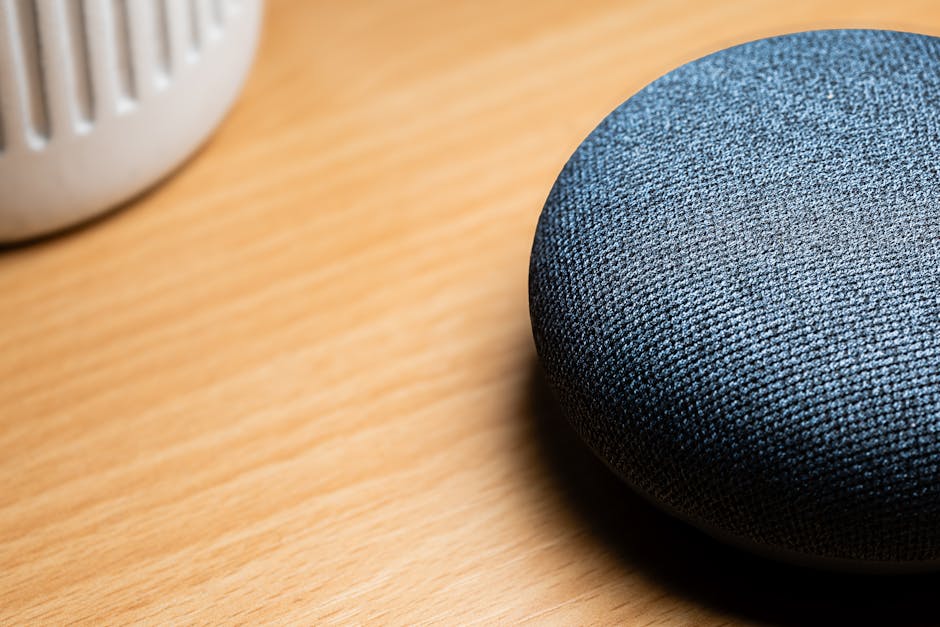
Think about it: a smart thermostat app knows when you're home, when you leave, and your temperature preferences. A smart speaker app records your voice commands and often logs snippets of ambient conversation. Smart security camera apps not only capture video but also detect motion and record events within your home. While much of this data is necessary for the devices to function, companies often collect far more than strictly required. This information, when aggregated, can reveal incredibly intimate details about your lifestyle, your household members, your sleep schedule, and even your visitors. There have been numerous instances of smart home device data being compromised or accessed without authorization, leading to unsettling invasions of privacy. The promise of a smarter home often comes with the unspoken reality of a home under constant digital observation, where the very tools designed for convenience can become conduits for pervasive, often undisclosed, surveillance.
QR Code Scanners and Other Utility Apps: The Hidden Cost of Convenience
In a world increasingly reliant on QR codes for everything from restaurant menus to concert tickets, a reliable scanner app seems like a must-have utility. Similarly, apps for unit conversion, compasses, level tools, or even simple note-taking often appear indispensable. These apps promise to simplify small tasks, but like the flashlight apps of old, many have a history of demanding excessive permissions and engaging in aggressive data collection. A QR code scanner, for instance, primarily needs camera access. Yet, many free versions have been found requesting access to your location, contacts, photo gallery, and storage, far beyond what’s necessary for their core function.
The motivation here is straightforward: these seemingly simple utilities serve as excellent conduits for data harvesting. By embedding advertising SDKs and tracking libraries, the developers can monetize the app through targeted ads or by selling user data to third parties. The danger is particularly acute with generic utility apps downloaded from less reputable sources or those that haven't been updated in years. They can become vectors for malware, phishing attempts, or simply persistent data siphoning. Even seemingly benign features, like saving scanned QR codes to a history, can create a log of places you’ve visited or items you’ve interacted with, adding another layer to your digital profile. It’s a classic example of how a small convenience can mask a significant privacy cost, turning a quick scan into a potential data leak.
Reclaiming Your Digital Privacy: Practical Steps to Protect Yourself
The pervasive nature of app tracking can feel overwhelming, but you are not powerless. Taking proactive steps can significantly reduce your digital footprint and safeguard your privacy. It's about being an informed user and making conscious choices about what you share and with whom. Here are actionable strategies to help you navigate the app ecosystem with greater security and peace of mind.
First and foremost, make it a habit to meticulously review app permissions before installation, and regularly audit them afterward. Both iOS and Android provide robust settings to control what data an app can access. On Android, navigate to Settings > Apps & notifications > App permissions. On iOS, go to Settings > Privacy & Security. Here, you can see a list of all permissions (e.g., Location, Microphone, Camera, Contacts) and which apps have access to them. Be ruthless in denying unnecessary permissions. Does that photo editor really need access to your microphone? Does that game need your precise location 24/7? If an app demands permissions that seem unrelated to its core function, consider finding an alternative or simply uninstalling it. Remember, you can often grant permissions only "While Using the App" or "Ask Next Time," which is far safer than "Always Allow."
Next, consider adopting privacy-focused alternatives for common app categories. Instead of generic weather apps, explore options like Forecastie (Android) or Carrot Weather (iOS) which offer more robust privacy controls or paid ad-free versions. For web browsing, ditch Chrome or Safari for privacy-centric browsers like Brave or Firefox Focus, which come with built-in ad and tracker blockers. For messaging, move away from WhatsApp or Facebook Messenger to encrypted alternatives like Signal, which is renowned for its end-to-end encryption and minimal data collection. Even for basic utilities like notes or calendars, seek out open-source alternatives that prioritize user privacy over data monetization. A little research can go a long way in finding tools that serve your needs without compromising your personal information.
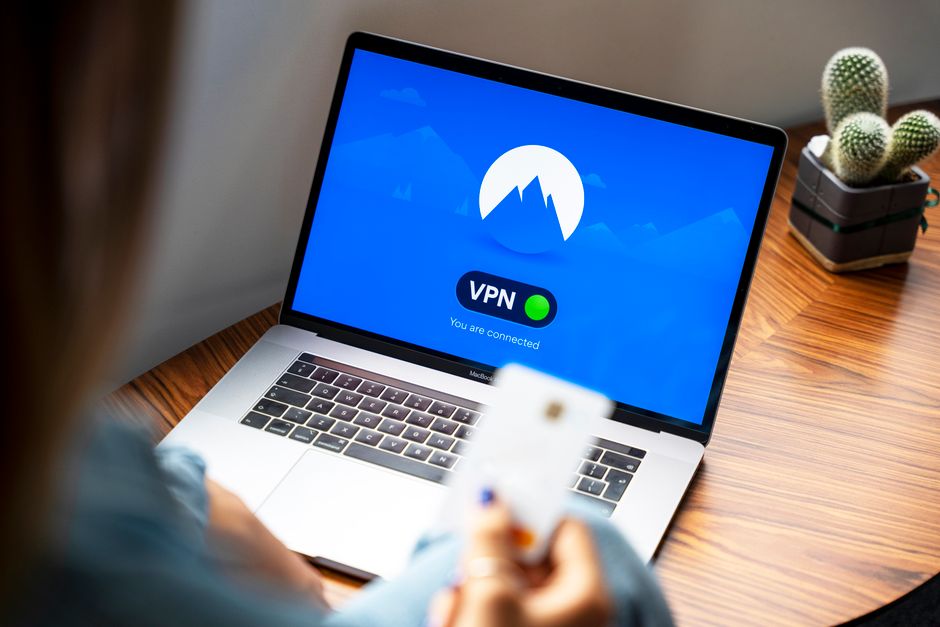
Implementing a Virtual Private Network (VPN) is another crucial layer of defense, especially for masking your location and encrypting your internet traffic. While a VPN won't stop an app from collecting data if you've granted it permission, it can prevent your Internet Service Provider (ISP) and other third parties from seeing your online activities and can mask your real IP address, making it harder for apps to pinpoint your precise location based solely on network data. Choose a reputable, no-logs VPN service that has been independently audited to ensure your data isn't being collected by the VPN provider itself. Running a VPN consistently adds a significant barrier to unwanted surveillance, protecting your general internet usage and making it harder for app developers to correlate your online behavior with your physical location.
Embracing regular data hygiene is also essential. This means periodically reviewing your app list and deleting any apps you no longer use, especially those you downloaded years ago and might have forgotten about. Each dormant app is a potential vector for data leakage. Additionally, take the time to review the privacy settings within your operating system and individual apps. Many apps bury their privacy controls deep within menus; seek them out and adjust them to your comfort level. Consider enabling features like "Limit Ad Tracking" on iOS or "Opt out of Ads Personalization" on Android, which can reduce the effectiveness of targeted advertising, even if it doesn't stop data collection entirely. The digital world is dynamic, and so should be your approach to managing your privacy settings; what was secure yesterday might not be today.
Finally, cultivate a healthy skepticism towards any app that is entirely "free" and demands extensive permissions. Remember the adage: if you're not paying for the product, you are the product. While it’s unrealistic to avoid all data collection in our hyper-connected world, understanding the mechanisms behind it and taking deliberate steps to mitigate risks empowers you. Read app reviews, especially those that mention privacy concerns. Look for transparency in privacy policies, even if they are often complex. The goal isn't to live off the grid, but to make informed choices that allow you to enjoy the benefits of technology without inadvertently sacrificing your fundamental right to privacy. Your digital life is an extension of your real life, and it deserves the same level of protection and discretion.